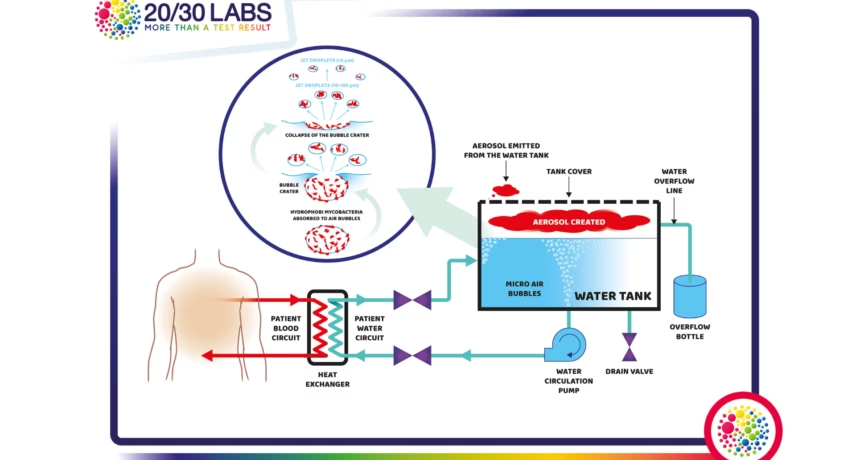
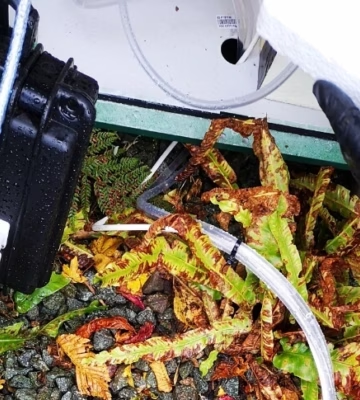
Mycobacterium chimaera is an environmental nontuberculous mycobacterium commonly found in tap water. An oportunistic pathogen, it is clinically associated with respiratory disease or disseminated disease in immunocompromised patients. In recent years, it has become a global public health concern due to infection following cardiac surgery performed with contaminated HCU. M. chimaera appears to form biofilms in the water tanks of the HCU where it can be aerosolised and dispersed through airborne transmission.
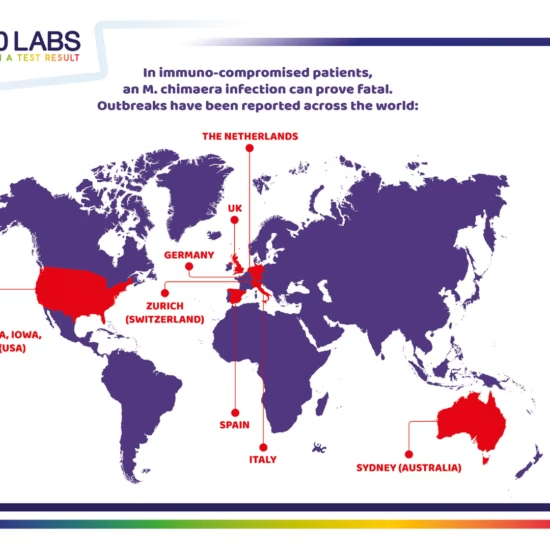
M. chimaera infection acquired during cardiac surgery through contaminated HCU predominantly caused prosthetic valve endocarditis, disseminated infections and vascular graft infections, with significant morbidity and a mortality rate of 50 %. Over 100 cases have been confirmed worldwide. However, the actual number is thought to be vastly underreported due to M. chimaera long latency period (up to five years) and the challenges associated with its correct identification.
Mycobacterium chimaera
Mycobacterium chimaera is an environmental nontuberculous mycobacterium commonly found in tap water. An oportunistic pathogen, it is clinically associated with respiratory disease or disseminated disease in immunocompromised patients. In recent years, it has become a global public health concern due to infection following cardiac surgery performed with contaminated HCU. M. chimaera appears to form biofilms in the water tanks of the HCU where it can be aerosolised and dispersed through airborne transmission.
M. chimaera infection acquired during cardiac surgery through contaminated HCU predominantly caused prosthetic valve endocarditis, disseminated infections and vascular graft infections, with significant morbidity and a mortality rate of 50 %. Over 100 cases have been confirmed worldwide. However, the actual number is thought to be vastly underreported due to M. chimaera long latency period (up to five years) and the challenges associated with its correct identification.
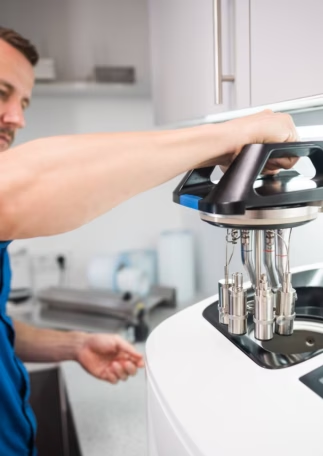
Contaminated HCU have been implicated in other post cardiac surgery infections with pathogens such as Pseudomonas aeruginosa, Legionella spp, other nontuberculous Mycobacteria, gram-negative bacteria and fungi. National authorities in Europe and the US have issued health alerts to surgical facilities, calling for increased vigilance, active surveillance as well as updated decontamination and cleaning protocol. Cleaning and disinfection must follow the manufacturer’s advice and/or MHRA guidance, including Field Safety Notices. However, chemical disinfection may not fully remove all biofilms from the HCU. As it is not always feasible to remove HCUs from service due to service demands, it is absolutely crucial to test HCU regularly, as well as after each decontamination procedure.
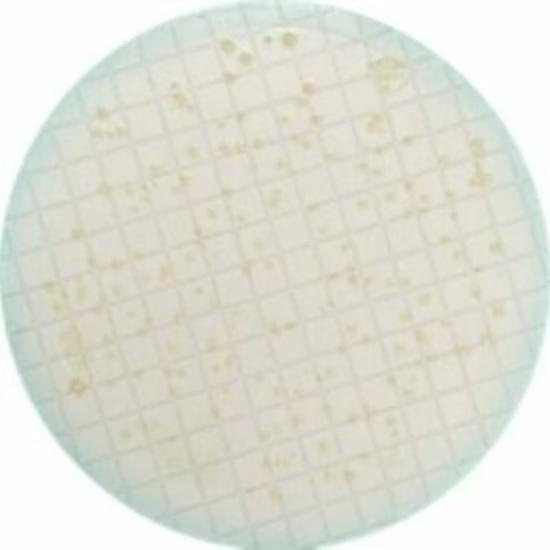
20/30 Labs take an active role in fighting M. chimaera infection. We have developed a new assay and for fast, precise and efficient testing of the presence of M. chimaera in HCU. Our method directly detected the presence of M. chimaera in … HCU, leading to the decommission / recall / cleaning of the HCU….
Contaminated HCU have been implicated in other post cardiac surgery infections with pathogens such as Pseudomonas aeruginosa, Legionella spp, other nontuberculous Mycobacteria, gram-negative bacteria and fungi. National authorities in Europe and the US have issued health alerts to surgical facilities, calling for increased vigilance, active surveillance as well as updated decontamination and cleaning protocol. Cleaning and disinfection must follow the manufacturer’s advice and/or MHRA guidance, including Field Safety Notices. However, chemical disinfection may not fully remove all biofilms from the HCU.
As it is not always feasible to remove HCUs from service due to service demands, it is absolutely crucial to test HCU regularly, as well as after each decontamination procedure. 20/30 Labs take an active role in fighting M. chimaera infection. We have developed a new assay and for fast, precise and efficient testing of the presence of M. chimaera in HCU. Our method directly detected the presence of M. chimaera in … HCU, leading to the decommission / recall / cleaning of the HCU….
Read related articles

20/30 provides the following services:


Your partner in quality, safety, and compliance
The life sciences sector requires specialized knowledge and reliable support. With our broad expertise, we help organizations comply with laws and regulations, ensure quality, and continue to innovate with confidence.