



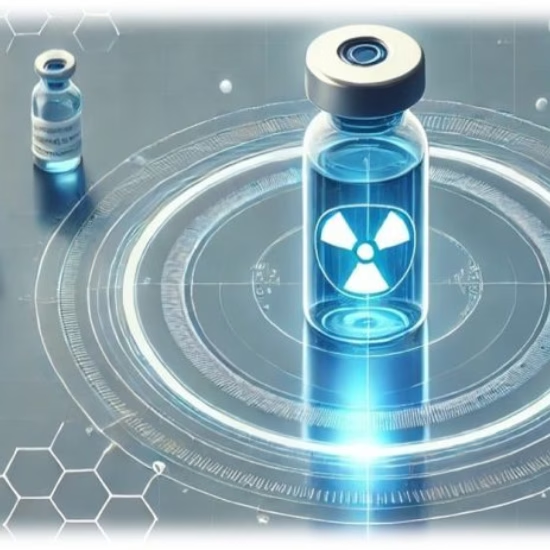
These innovative treatments combine radioactive isotopes with specific compounds that bind to e.g. tumor cells to deliver precise doses of radiation directly to diseased tissues, minimizing damage to healthy cells. Despite their promise, radiopharmaceuticals come with unique regulatory and logistical challenges. However, advancements in this field are leading to brief and effective treatments, offering hope for improved patient outcomes and enhanced quality of life. In the recent years Farma Consulting & Partners has the opportunity and honor to support a customer to commission and qualify a new production facility within the complex regulatory landscape and logistical limitations. Earlier in my career these types of treatments caught my attention when supporting a customer active in selective internal radiation treatments with quality and CSV activities in a GCP context.
The Promise of Radiopharmaceuticals
Radiopharmaceuticals represent a significant shift in how we approach treatment for complex conditions. Unlike traditional chemotherapy or conventional radiation, which can cause widespread damage to healthy tissue, radiopharmaceuticals are highly targeted. This precision not only increases the effectiveness of treatment but also reduces side effects, offering patients a better quality of life during and after therapy.
For example, therapies such as Lutetium-177 (Lu-177)-based or selective radiation Yttrium-90 (Y90) – based have shown remarkable success in treating different kinds of cancers, such as metastatic prostate cancer (Lu-177) and liver tumors (Y-90). These treatments deliver radiation directly to tumor cells while sparing healthy tissue, often providing relief to patients who have exhausted other therapeutic options.
Regulatory Challenges
Radiopharmaceuticals and selective internal radiation therapies exist at the intersection of pharmaceuticals, medical devices and radioactive materials, leading to unique regulatory requirements. Key challenges include:
- Complex Regulatory Oversight:
- Radiopharmaceuticals must comply with regulations from both health authorities (e.g., FDA, EMA) and nuclear (local) regulatory bodies. These dual requirements often result in lengthy and complex approval processes.
- Good Manufacturing Practices (GMP):
- Manufacturing radiopharmaceuticals requires adherence to GMP for both pharmaceutical and radiological safety. This involves specialized facilities, stringent contamination controls, and robust quality assurance protocols.
- Short Half-Life of Isotopes:
- Many isotopes used in radiopharmaceuticals, such as Fluorine-18 or Technetium-99m, have short half-lives. This necessitates rapid production, distribution, and administration to ensure efficacy, adding additional pressure on regulatory compliance.
Logistical Challenges
Radiopharmaceuticals also present significant logistical hurdles:
- Specialized Supply Chains:
- Handling and transporting radioactive materials require specialized infrastructure, trained personnel, and adherence to strict safety guidelines. Any delays can render the product ineffective due to isotope decay.
- Global Accessibility:
- Ensuring equitable access to radiopharmaceuticals is a challenge, particularly in regions lacking the necessary nuclear medicine infrastructure. Collaboration between healthcare providers, governments, and private companies is essential to bridge these gaps.
- Economic & Political Barriers:
- The cost of radiopharmaceutical development, production, and delivery is high, which can limit patient access and pose challenges for healthcare systems.
- Current geopolitical situations can lead to ethical dilemmas or sourcing through a long route.
Future Opportunities
Despite these challenges, the future of radiopharmaceuticals and selective internal radation therapy is bright, with several advancements and opportunities on the horizon:
- Innovative Isotope Production:
- Research into new methods for producing isotopes, such as using cyclotrons or advanced reactor technologies, promises to make radiopharmaceuticals more accessible and cost-effective.
- Combination Therapies:
- Combining radiopharmaceuticals with immunotherapies or other targeted treatments holds the potential for synergistic effects, further improving outcomes for patients.
- Digital Advancements:
- Innovations in artificial intelligence and machine learning are enhancing the precision of imaging technologies, enabling better diagnosis and monitoring of treatment responses.
- Expanded Indications:
- As research progresses, radiopharmaceuticals are being explored for a broader range of conditions, including cardiovascular diseases and inflammatory disorders, opening new avenues for patient care.
- Regulatory Harmonization:
- Efforts to streamline regulatory pathways and foster international collaboration among regulatory agencies could reduce development timelines and improve access to these life-saving treatments.
A Message of Hope
For patients facing serious diseases like cancer, radiopharmaceuticals or selective internal radiation offer more than just another treatment option—they offer hope. By targeting diseases at their source, these therapies can improve survival rates and restore quality of life, even for those with advanced or previously untreatable conditions.
Farma Consulting & Partners is honored to play a role in navigating the complexities of radiopharmaceutical development and commissioning, from quality, C&Q and validation, to prepare for the commercial production soon at their customers. By addressing these challenges head-on, we can help bring these revolutionary treatments to patients around the globe, making a meaningful impact on countless lives of patients and their close ones.
As the field continues to evolve, the future of radiopharmaceuticals and selective internal radiation therapies is filled with promise. Through innovation, collaboration, and dedication, we can turn these opportunities into tangible benefits for patients, offering them not only treatment but also the hope of a better tomorrow.
Your partner in quality, safety, and compliance
The life sciences sector requires specialized knowledge and reliable support. With our broad expertise, we help organizations comply with laws and regulations, ensure quality, and continue to innovate with confidence.
Related services


Related articles


10 Jul 2026
Potential Pitfalls in an MES Project
Just as every project has its pitfalls, the same is true for a Manufacturing Execution System (MES) implementation project. Implementing electronic batch records is no easy task. That’s why, in the blog below, we’ll share a few pitfalls so you can prepare for a successful implementation within your company.


10 Jul 2026
Implementation of the European Clinical Trial Regulation (EU-CTR)
By the end of this month (31st of January 2025), the final deadline is reached in the transition period for the implementation of the European Clinical Trial Regulation (EU-CTR). What is it and what is the difference with the previous European Clinical Trial Directive (EU-CTD)?
10 Jul 2026
Project Management
In the complex and highly regulated world of the pharmaceutical industry, project management plays a pivotal role to bring life-saving medications and treatments to the market. From drug discovery to clinical trials and regulatory approval, effective project management is essential for managing timelines, resources, and compliance. Let’s dive in some practical tips and tricks specifically for navigating the complexities of project management in the pharmaceutical sector.
10 Jul 2026
To-Do List for Successful Preparation for ISO 13485:2016 Certification
A few weeks ago, Sofie and Abbie introduced the pillars of the ISO 13485:2016 standard and explained why an organization benefits from having its quality management system (QMS) certified. Convinced of the benefits of investing in an ISO 13485:2016 certificate, we’d like to share how you can properly prepare for the certification audit.
10 Jul 2026
Streamlining Post-Marketing Surveillance with IMDRF Coding
Since the implementation of the Medical Device Regulation (MDR) in Europe, companies have had to maintain and execute a post-marketing surveillance (PMS) procedure. This systematic process involves collecting and analysing data on the performance and safety of medical devices after they have been released to the market. The primary goal is to help manufacturers identify and address potential issues that may arise during actual use, monitor the market for known risks, and identify new risks.
10 Jul 2026
ISO 9001:2015 in Life Sciences Industry
In the life sciences industry, maintaining high quality standards is critical not only to the success and sustainability of organizations but also to patient safety and compliance. ISO 9001:2015, part of the ISO 9000 family, provides a robust framework for quality management systems (QMS) that can be used in organizations in the life sciences, including pharmaceutical, natural technology, including medical devices. This article examines the key features of ISO 9001:2015, its benefits, implementation methods, potential pitfalls, and impact in the life sciences.
10 Jul 2026
The Role of a CQV Expert in the Cold Chain Division of a Pharmaceutical Company
In the pharmaceutical industry, product quality is of vital importance. This is particularly true for medicinal products that are sensitive to temperature fluctuations, such as vaccines, biologics, and certain medications that must be stored and transported in a controlled environment. Within this process, the CQV (Commissioning, Qualification, and Validation) expert plays a crucial role, especially within the cold chain division, which is responsible for monitoring product quality during the transport and storage of these temperature-sensitive products. This blog outlines the various aspects a CQV expert must consider in this context.