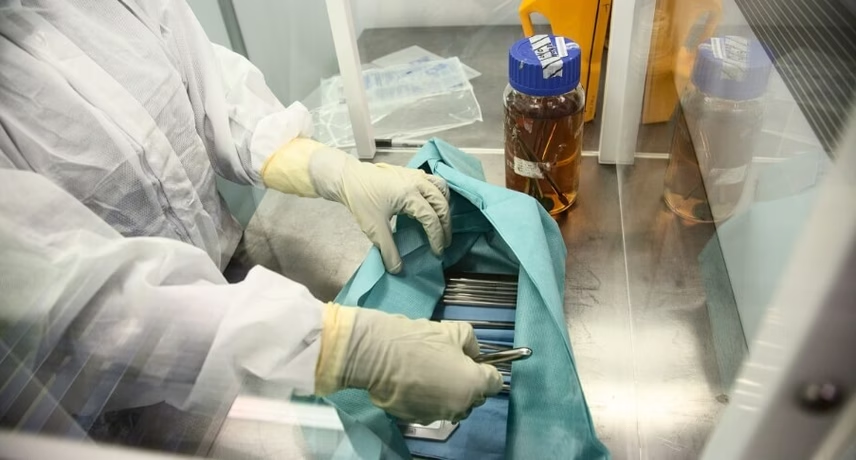
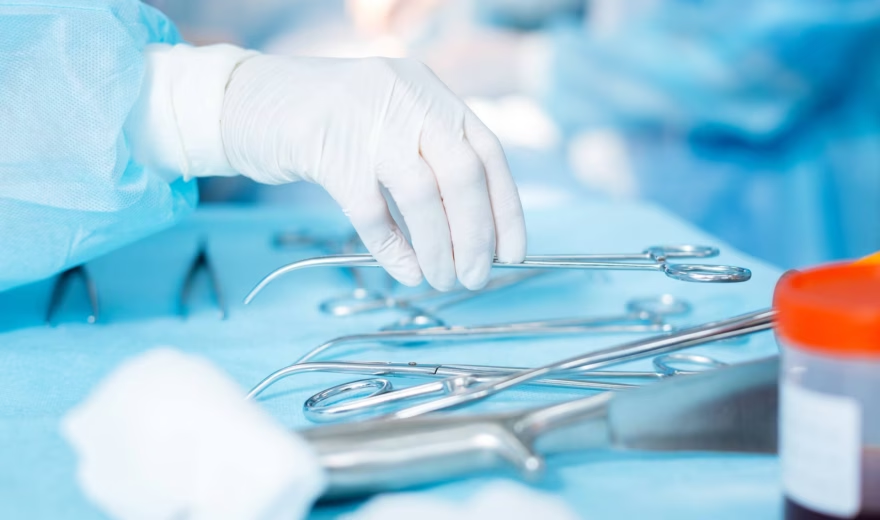
20/30 Labs is the market leader in environmental sampling. We provide expert technical advice, explain the impact of the results on the environment and the processes taking place, and assist in managing contamination incidents. We have a team of CTCB-I-trained field technicians who can survey, assess, and test cleanrooms and operating rooms. All of 20/30 Labs’ environmental sampling methods are UKAS-accredited, are regularly audited, and are supported by external proficiency tests.
Approach
-
1.
Phase 1: Protocol
Sampling is conducted according to the frequencies and locations specified by the customer (except when guidelines prescribe the sampling regimen, such as ISO 14644), based on a service agreement. The service agreement describes the types of sampling; these may relate exclusively to the operation of the cleanroom or to the performance qualification of equipment within the department (cleanroom, trolleys, cleaning agents/soap, drinking water, endoscopes, instrument washing and disinfection machines in accordance with HTM 01-01 Part D, steam sterilizers in accordance with HTM 01-01 Part C, endoscope washing and disinfection machines in accordance with HTM 01-06), test parameters (airborne particle count, air monitoring, settling plates, contact plates, fingerprints, swabs, sterility of medical devices, bioburden of medical devices, total number of viable microorganisms via pour plate, total number of viable microorganisms via membrane filtration, selective tests for E. coli/coliforms or P. aeruginosa, endoscope rinse tests), frequency (monthly, quarterly, annually), and quantity.
The customer may have specific warning and action levels for certain tests.
Method descriptions are provided for each test.
-
2.
Phase 2: Testing in the cleanroom
Arrange a site visit
After a client has been onboarded and the scope of services and testing schedule have been agreed upon. An initial site visit is conducted, during which extra time is scheduled to locate each cleanroom site, map out the room(s), and identify where personnel must change clothes, where any unusual sampling locations are located (e.g., faucets, hatches, or RO valves), and where products or medical devices are stored (if they need to be tested).
Preparation for the Site Visit
Media and consumables are packed according to the test schedule.
All packed equipment is checked for calibration status.
On-site testing
Sampling takes place under operational conditions, with all process equipment in operation and staff performing their normal duties. Sampling must not disrupt or compromise the quality of the medical devices being packaged.
-
3.
Phase 3: Laboratory Tests
Return of Samples and Processing
At 20/30 labs, the samples are handed over to the data entry staff, where they are registered and, depending on the type of sample, placed in the refrigerator or incubator.
-
4.
Phase 4: Report
Test reports are generated as soon as the microbiological analysis is complete. Client reports are available through a custom 20/30 Labs LIMS interface, which provides a client portal for tracking samples and accessing historical data for trend analysis. The reports include a comments field in which test results that fall outside the warning and action levels are described in detail and summarized.
31 - Cleanrooms are validated quarterly.
74% - Reports are delivered within 12 days (2022)
85% - Reports are delivered within 12 days (so far in 2023)
100% - Passed external quality assessment
946 - Medical devices tested (2022)
20 of the 30 laboratories have extensive experience in cleanroom and microbiological testing. We are UKAS-accredited for the sampling and counting of environmental samples. We have specialized, calibrated equipment (such as particle counters for airborne particles ranging from 0.1 to 5 µm, air samplers, balometers, and manometers) that ensures all results are accurate and reliable. We can conduct testing anywhere in the country.
Thanks to our microbiological expertise, we not only count the samples but also provide insight into the colonies present in the sample. We have MALDI-TOF capabilities, which allow us to identify the specific types of organisms on the culture plates. We ensure that we are aware of each client’s action thresholds and alarm limits, and we indicate in every report whether the values fall outside these ranges.
By offering cleanroom testing, 20/30 Labs can provide a 360° experience in the field of sterile services and endoscopy departments. We are UKAS-accredited for all critical processes:
- Weekly water tests for endoscope washers and disinfectors (EWD)
- Selective testing for Aeruginosa and Mycobacterium spp.
- Test samples in accordance with ISO 15883-5: 2021
- Quarterly PQ (performance qualification) of EWDs, in accordance with HTM 01-06
- Annual PQ (performance qualification) of EWDs, including tests with surrogate devices and biofilm, in accordance with HTM 01-06
- Dryer cabinet tests in accordance with EN 16442
- Rinsing/wiping of endoscopes (bioburden)
- Testing of endoscope storage cabinets
- Drinking water tests
- Including selective tests for coliform bacteria, P. aeruginosa, and Enterococcus spp.
- Quantitative analysis of protein residues
- Endotoxin analysis
- Chemical analysis, in accordance with HTM 01-01 Part C and HTM 01-01 Part D
- Bioburden of medical devices
- Sterility of medical devices
References
- BS EN ISO 14644: Cleanrooms and associated controlled environments (Parts 1–3)
- BS EN ISO 14698: Cleanrooms and associated controlled environments — Control of biocontamination.
- ISO 15883 Cleaning and disinfection machines—General requirements (Parts 2 and 4)
- Healthcare Technical Memorandum 01-01: Management and Decontamination of Surgical Instruments (Medical Devices) Used in Acute Care, Part D: Washing and Disinfection Machines
- Healthcare Technical Memorandum 01-01: Management and Decontamination of Surgical Instruments (Medical Devices) Used in Acute Care, Part C: Steam Sterilization
- Technical Memorandum for Healthcare 01-06: Decontamination of Flexible Endoscopes, Part D: Validation and Verification (including storage/drying cabinets)
- AAMI TIR 12: 2020 Design, Testing, and Labeling of Reusable Medical Devices for Reprocessing in Healthcare Facilities: A Guide for Medical Device Manufacturers.
- AAMI ST79: 2017 Comprehensive Guide to Steam Sterilization and Sterilization Assurance in Healthcare Facilities
- AAMI ST98: 2022 Cleaning Validation of Healthcare Products — Requirements for the Development and Validation of a Cleaning Process for Medical Devices.Food and Drug Administration “Reprocessing of Medical Devices in Healthcare Facilities: Validation Methods and Labeling” www.fda.gov/media/80265/download
- ISO 17664:2017 Reprocessing of healthcare products — Information to be provided by the manufacturer of medical devices for the reprocessing of medical devices
- ISO 17665-1:2006(E) – Annex D: Sterilization of healthcare products – Moist heat – Part 1: Requirements for the development, validation, and routine control of a sterilization process for medical devices
- ISO 14937:2009 Sterilization of health care products — General requirements for the characterization of a sterilant and the development, validation, and routine control of a sterilization process for medical devices
- BS EN ISO 11737-1:2018 +A1:2021 Determination of the microorganism population on products
- BS EN ISO 11737-2:2020 Determination of the sterility of medical devices
20/30 offers the following services:
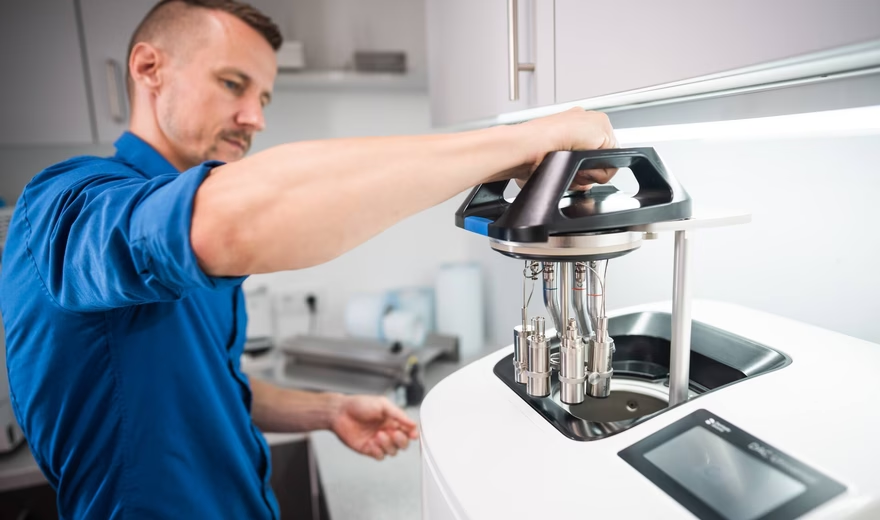
Your partner in quality, safety, and compliance
The life sciences sector requires specialized knowledge and reliable support. With our broad expertise, we help organizations comply with laws and regulations, ensure quality, and continue to innovate with confidence.