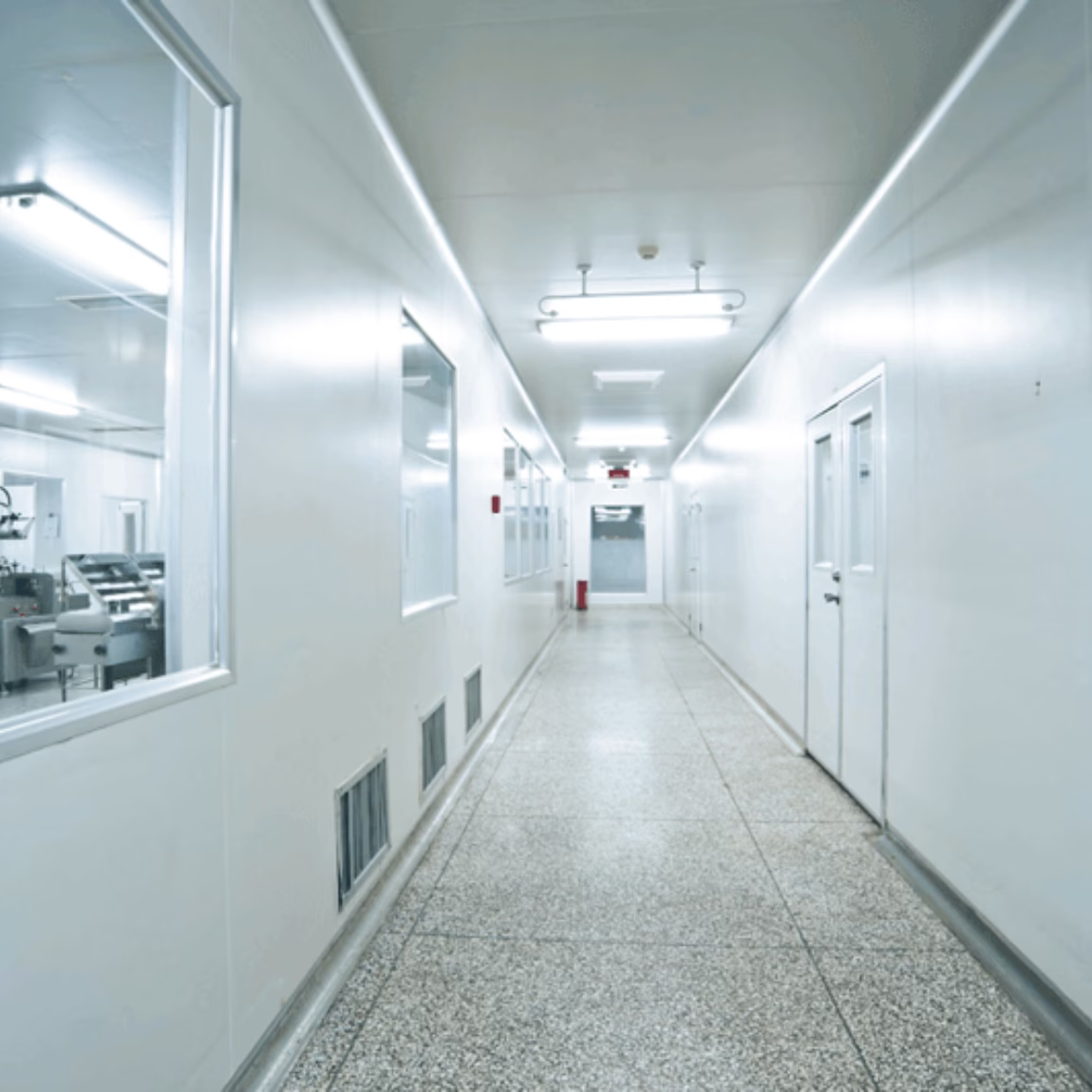
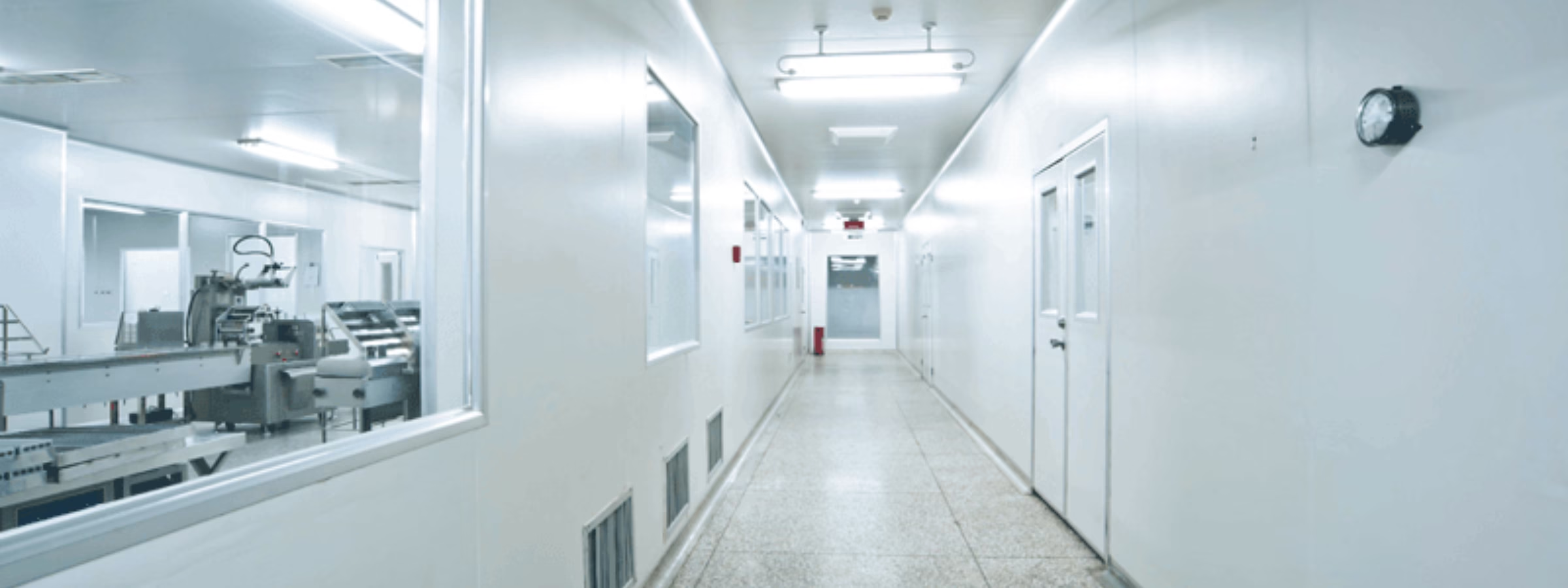
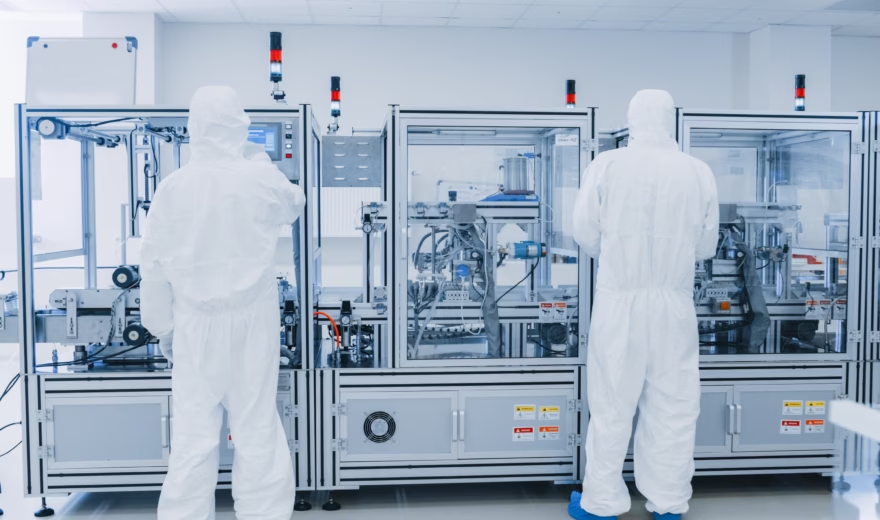
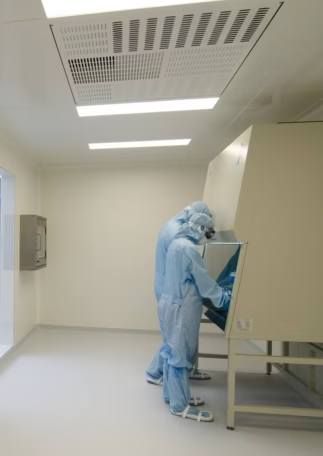
There are several questions a hospital should ask itself before beginning the construction of a cleanroom. Will the cleanroom in the hospital be used for sterile preparations, and does this include cytostatic drugs, or are there other specific compounded preparations or purposes, such as a fertility lab? It all starts with understanding your own processes and procedures. Next, it’s best to consider how these will translate into the use of the cleanroom, aseptic techniques, sterile changing procedures, waste flows, the number of staff using the cleanroom at the same time, and so on. All this information typically results, through visual process mapping, in a User Requirements Specification (URS)—a detailed description of all user requirements, taking applicable regulations into account.
In addition to describing the requirements, it is also recommended to conduct a risk analysis. This can be done, for example, using a Failure Mode and Effects Analysis (FMEA). An FMEA is a tool for analyzing a process or physical system and identifying potential risks, in order to then take steps to counteract or at least minimize these risks. The main advantage of conducting a risk analysis is that you can mitigate risks in a highly targeted manner and eliminate them where necessary. This way, you avoid unnecessary costs and don’t waste time during your project. Both a URS and a risk analysis are living documents that can evolve alongside the project and be updated through revision numbers.
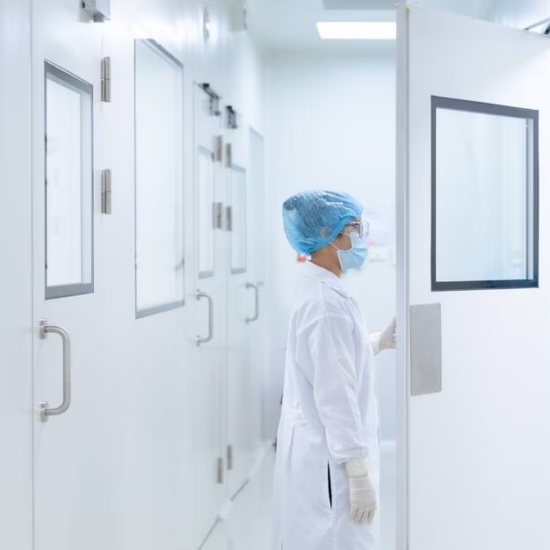
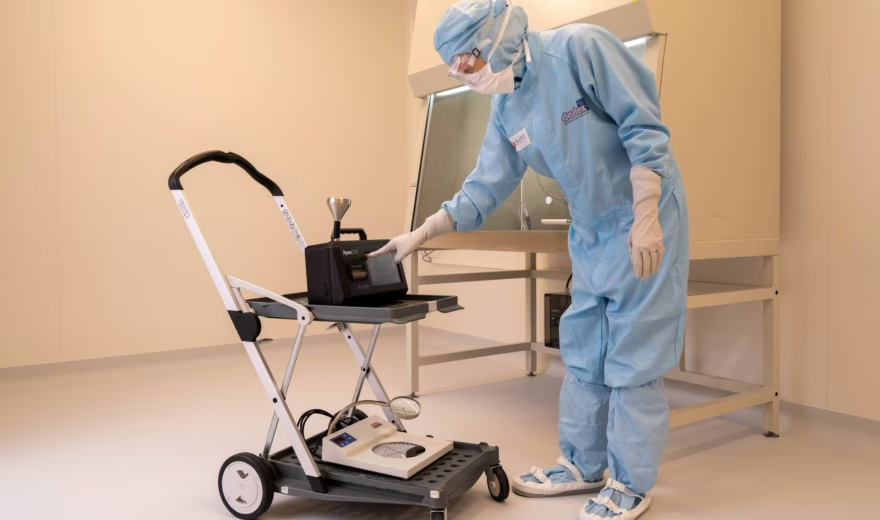
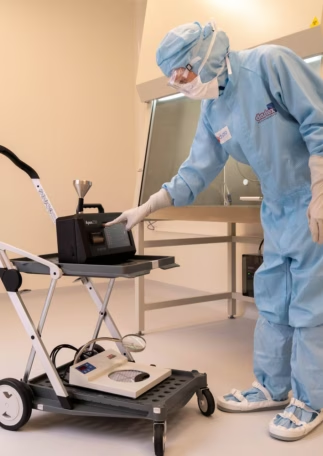
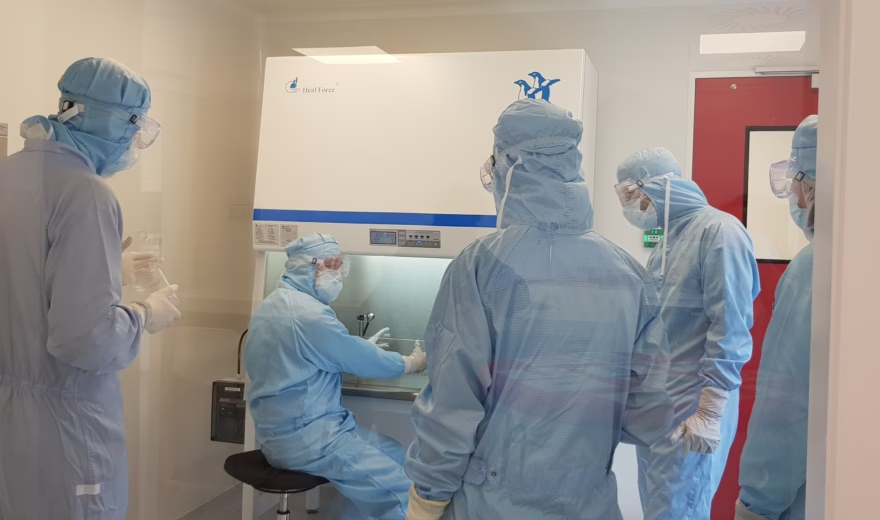
Next, a quality and/or validation plan is drawn up based on the requirements and the risk analysis. This plan describes the approach to validation and the process to be followed to demonstrate that all requirements have been met. This plan gives rise to various protocols that describe the necessary tests in great detail. This includes, for example, the validation of the cleanroom, such as microbial sampling, particle counts, air pressure measurements, and an analysis of the airflows. A second protocol describes the necessary utility systems and associated tests, including the installed gas and water systems (PW, WFI, etc.). Another protocol addresses the finishing of the rooms, with tests to verify whether the correct materials were used, whether the desired finish was achieved, whether there are any areas where dirt can accumulate, whether there is any damage, etc. Depending on any additional requirements described in the URS, various other protocols may be necessary, such as the monitoring and alarm systems for all systems, testing the software packages used, or testing specific equipment such as laminar airflow cabinets, biosafety cabinets, or isolators.
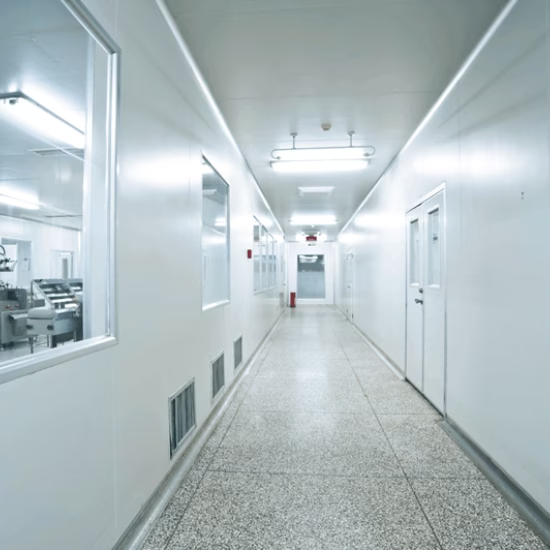
In addition to testing the installed cleanroom, utilities, software, equipment, and other critical systems, it is also necessary to document all standard processes in Standard Operating Procedures (SOPs). Among other things, there must be instructions for the operations to be performed, entering the cleanroom, cleaning the cleanroom, etc. These SOPs are a very important part of the quality management system and form the basis for your Good Manufacturing Practices (GMPs). By verifying that all necessary SOPs are in place, the consistent quality of the preparation and dispensing of medications within a healthcare facility is ensured.
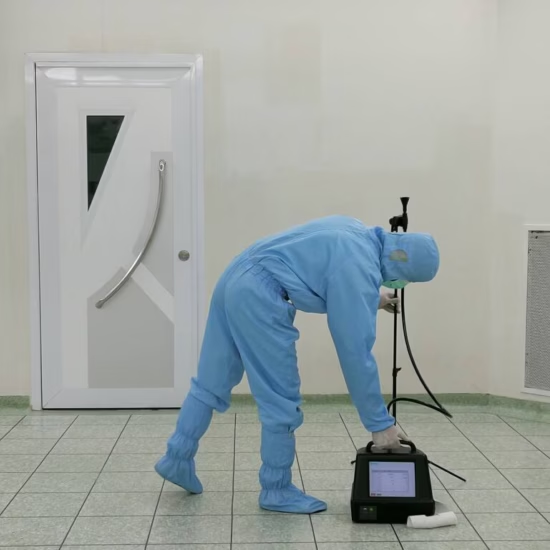
Once all tests have been completed, the results are summarized in separate validation reports for each system. These reports are then consolidated into a single comprehensive summary report. In this report, the cleanroom and its associated systems are finally approved for use. From that point on, one can be certain that operations are taking place in a controlled environment that meets all requirements of both the user and the regulatory authority. This is referred to as an initial validation. To continue ensuring that all systems operate as intended, a periodic revalidation of the critical systems is subsequently performed. This is carried out in accordance with the applicable procedures of the quality management system, including change management.
Cleanroom Support via the Cleanroom Implementation Blueprint (CLIMB)
With CLIMB, we offer a structured roadmap designed to guide organizations through the entire cleanroom process, from the initial steps of process mapping and design to the continuous monitoring of the operational cleanroom.
Ready for the Future?
Is your organization ready for the future of pharmaceutical and high-tech manufacturing? For many hospitals, laboratories, startups, and other organizations, building and validating a cleanroom in compliance with (new) regulations can be a major step into the unknown, often lacking specific expertise.
By engaging Normec Advipro, you gain access to targeted expertise and support to successfully complete your cleanroom project. It is essential to ensure quality in an innovative and validated production environment during the implementation of changes and improvements. This contributes to improved long-term cost efficiency , as every decision can impact the final commissioning.
Based on this experience, Normec Advipro has now developed its own Cleanroom Implementation Blueprint (CLIMB) to advise and support cleanroom project teams throughout the entire process with corresponding deliverables.
Your partner in quality, safety, and compliance
The life sciences sector requires specialized knowledge and reliable guidance. Thanks to our extensive expertise, we help organizations comply with laws and regulations, ensure quality, and continue to innovate with confidence.
Related Services






Related Articles
28 Apr 2026
A Failed APS: Every Sterile Production Department’s Nightmare
A failed aseptic process simulation (APS) is every sterile production department’s nightmare. As soon as the culture medium becomes cloudy, alarm bells go off throughout the entire organization.
05 May 2025
Advipro Becomes Normec Advipro
Lille, May 5, 2025 – Advipro, an expert in consulting and project support within the life sciences sector, is taking a new strategic step. Starting in May 2025, the company will operate under the name Normec Advipro.


13 Sep 2024
Winter Mapping: Protect Your Temperature-Sensitive Products
Discover how mapping works and why it’s essential for addressing the challenges posed by controlled environments. We’ll outline the best practices for effective winter mapping.
31 Aug 2022
Where Can Normec Advipro Make a Difference? | PIC/S Standard
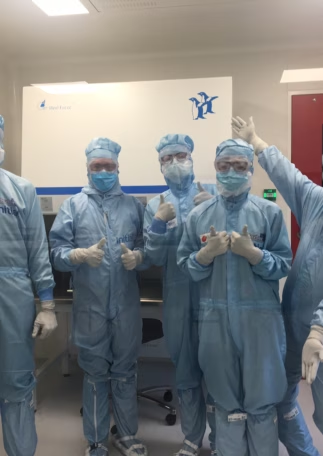
A new Royal Decree was recently published “concerning the preparation and dispensing of medicines and the use and distribution of medical devices within healthcare institutions.” You can read all about it in the blog “The New Regulations for Hospitals and Their Pharmacies.” Specifically, the regulations require work to be carried out in controlled environments (cleanrooms), where the handling of open containers must always take place in ventilated rooms with filtered air. For many hospitals, building and validating a cleanroom is a major undertaking, and they often lack the necessary in-house expertise. Collaborating with an expert like Normec Advipro offers enormous benefits. We work closely with the hospital and apply the “First Time Right” principle, which benefits the project’s quality, budget, and timeline. In the past, we’ve collaborated with various large and small hospitals, as well as university hospitals. Below, we outline a few project phases in which Normec Advipro provided real added value and share our three main lessons learned.

24 Feb 2022
5 Reasons to Choose a Career in Life Sciences
Choosing a career in pharma & life sciences is a forward-looking choice in a rapidly growing industry. But you must also make a conscious decision to enter this highly regulated and state-of-the-art sector.
16 Jun 2025
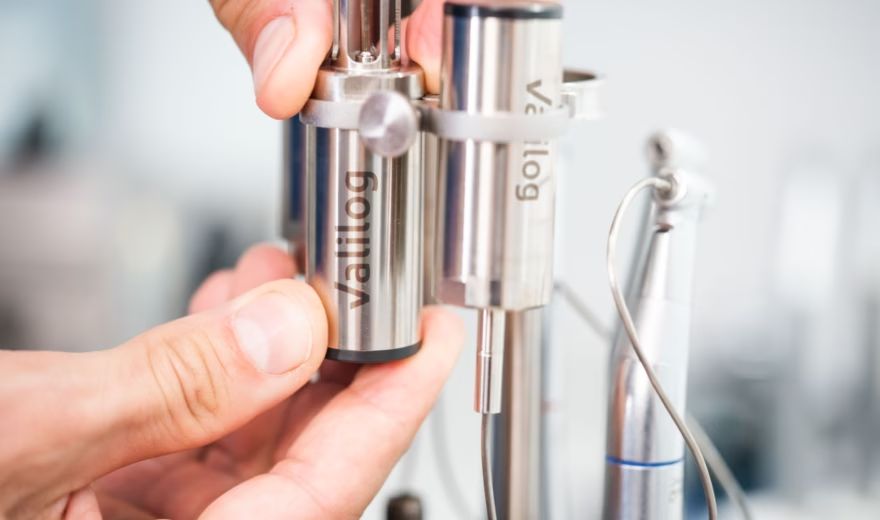
Summer Storage: Protect Your Temperature-Sensitive Products
Discover how mapping works and why it’s essential for addressing the challenges posed by controlled environments. We’ll outline the best practices for effective summer mapping.
24 Feb 2022
What is GxP?
Sooner or later, everyone comes into contact with medications, but we often don’t stop to think about everything that needs to be done to safely deliver a medication to the patient. When it comes to medications, patient safety is paramount. To ensure safety, various quality systems have been introduced in the pharmaceutical and food industries. These quality systems are divided into different categories. The general term for these quality systems is GxP. What does GxP mean, and why is it so important to implement quality systems in these industries?