

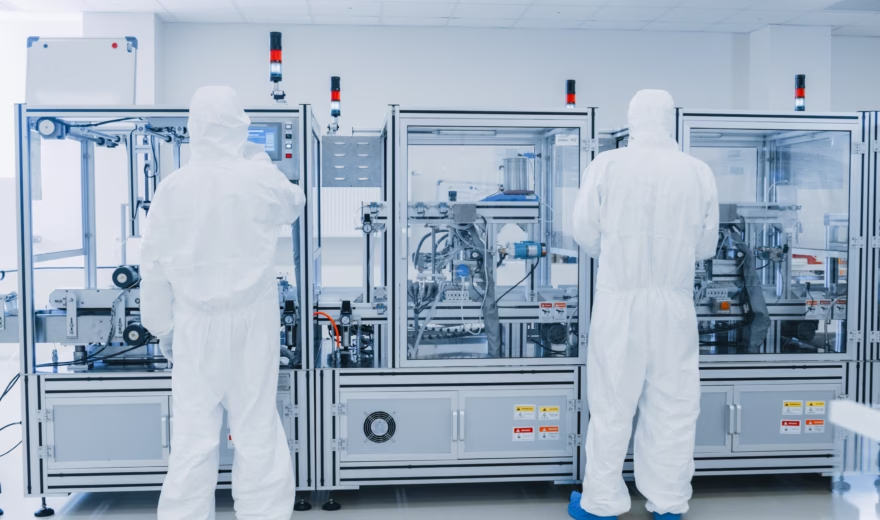
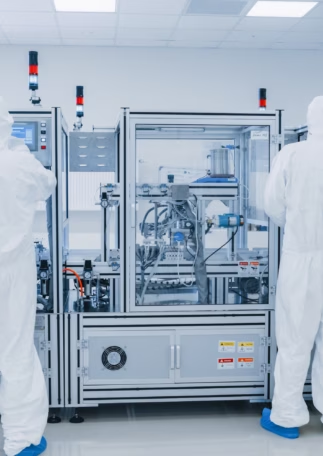
CI is a methodology focused on the continuous improvement of processes, products, and services through incremental changes. In the context of CSV, continuous improvement refers to the systematic and ongoing effort to optimize the validation process and the performance of automated systems.
The Role of Continuous Improvement
Compliance and Regulations
Automated systems must comply with strict regulations, such as the FDA’s 21 CFR Part 11 or the EU’s Annex 11. Continuous Improvement helps organizations maintain compliance by regularly evaluating their processes and adapting them to the latest guidelines.
Risk Management
Improving CSV processes helps identify and mitigate risks. By conducting regular risk analyses and implementing subsequent improvements, potential issues can be detected early, which increases the reliability of systems.
Efficiency and Cost Savings
By continuously evaluating and improving processes, organizations can identify and immediately eliminate inefficiencies, leading to time and cost savings. For example, the use of advanced test automation tools can significantly reduce validation time and thereby increase accuracy.
Implementation of Continuous Improvement
Plan-Do-Check-Act (PDCA) Cycle
The PDCA cycle is a popular method for continuous improvement. It involves:
- Plan: Identify opportunities for improvement and develop a plan.
- Do: Implement the changes on a small scale.
- Check: Evaluate the results of the changes.
- Act: Implement the successful changes on a larger scale and integrate them into standard processes.
Automated Monitoring and Reporting
The use of automated monitoring tools helps continuously monitor the performance of automated systems. These tools can provide real-time data on system performance and potential anomalies, which helps quickly identify areas that need improvement.
Training and culture
Creating a culture where the importance of Continuous Improvement is clearly understood within the organization. This can be achieved through regular training and awareness sessions for staff, encouraging them to actively contribute to improvement initiatives.
Examples of Continuous Improvement at CSV
Lean Six Sigma
Lean Six Sigma is often used to improve CSV processes. This helps identify and eliminate waste and variability, leading to more efficient and effective validation processes.
Agile Validation
Agile originated in software development but is now also making its way into CSV. Agile validation focuses on iterative and incremental improvements, enabling flexibility and rapid adaptation to changing circumstances.
Conclusion
Continuous improvement in the validation of automated systems is necessary to maintain compliance, increase efficiency, and ensure system reliability. By implementing PDCA, Lean Six Sigma, and Agile, organizations can continuously evaluate and optimize their CSV processes. This leads to better performance, lower costs, and more robust regulatory compliance.
Within automated systems, the validation of automated systems (CSV) plays a crucial role in Continuous Improvement (CI). A well-documented and reliable CSV is essential for implementing effective CI. Without a strong CSV, it is impossible to continuously optimize and improve processes—and the reverse is also true. CSV and CI are inextricably linked and mutually reinforcing.
Your partner in quality, safety, and compliance
The life sciences sector requires specialized knowledge and reliable guidance. Thanks to our extensive expertise, we help organizations comply with laws and regulations, ensure quality, and continue to innovate with confidence.
Related services














Related Articles


15 Jul 2026
How to Become Fully Inspection-Ready According to Annex 1
What happens when inspectors enter your production environment? Do you really have everything in order? Or is there a risk that your processes will fall short at first glance? And how do you make your company inspection-proof? It starts with documentation. Unfortunately, a few neatly filed SOPs aren’t enough. Inspectors want more and are looking for evidence that your processes are robust and continuously monitored.


15 Jul 2026
Innovative Approaches to Paperless Validation
Computerized System Validation (CSV) is the way to ensure the reliability, compliance, and data integrity of automated systems in regulated industries. With the shift toward digital transformation, paperless validation methods are gaining importance. This article explores innovative approaches and technologies that streamline the CSV process while maintaining compliance and data integrity.
15 Jul 2026
Does your organization have complete control over all its processes?
Modern processes are monitored using sensors. These sensors indicate, for example, whether the product is being manufactured under the correct conditions. But can we always blindly trust the results these sensors record?


15 Jul 2026
Gap Assessment Analysis
A gap analysis allows an organization to evaluate its current state of affairs in comparison to the desired situation or objectives. This method provides valuable insights for effectively achieving projects and business goals. During a gap analysis, for example, the maintenance process is critically examined. Essential questions are answered, such as: What are possible improvements to the process? How can we take asset maintenance to the next level? And how do we ensure safety in the maintenance process?


15 Jul 2026
What is the essence of an effective supply chain?
In the rapidly changing world of business operations, maintaining high-quality products during distribution is crucial. Our consultants have extensive knowledge of Good Distribution Practice (GDP) and its impact on efficient business operations. GDP goes beyond mere compliance with regulations. From temperature control to smart storage and seamless transportation, it is the essence of an effective supply chain.


15 Jul 2026
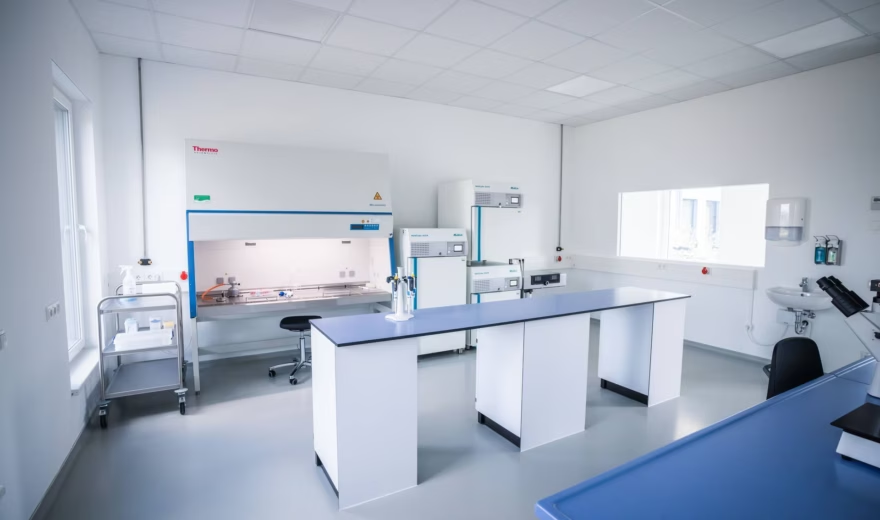
What is Annex 1?
Pharmaceutical companies within the EU must operate in accordance with European laws and regulations, as described in EudraLex, Vol. 4 – Good Manufacturing Practice (GMP) guidelines. Annex 1, titled “Manufacture of Sterile Medicinal Products,” provides general guidelines to be used in the design and control of facilities, equipment, systems, and procedures used for the manufacture of sterile products.

15 Jul 2026
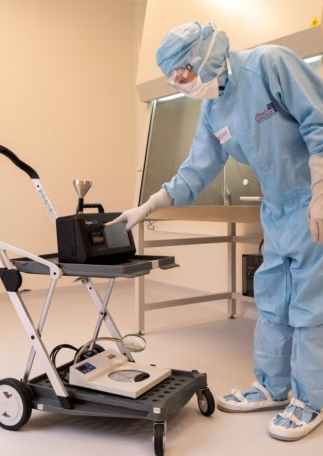
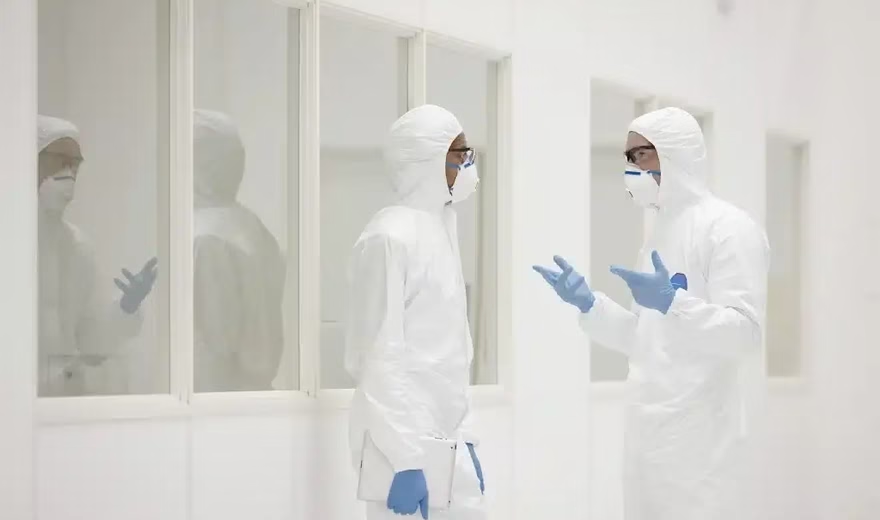
What if you took a completely different approach to Gowning?
When you think of gowning, you probably think of putting on protective clothing. The way employees dress in cleanrooms is key to preventing product contamination and ensures compliance with even the strictest standards related to Annex 1. A single small particle in the wrong place can make the difference between a perfect product and a lost batch.