

The Background
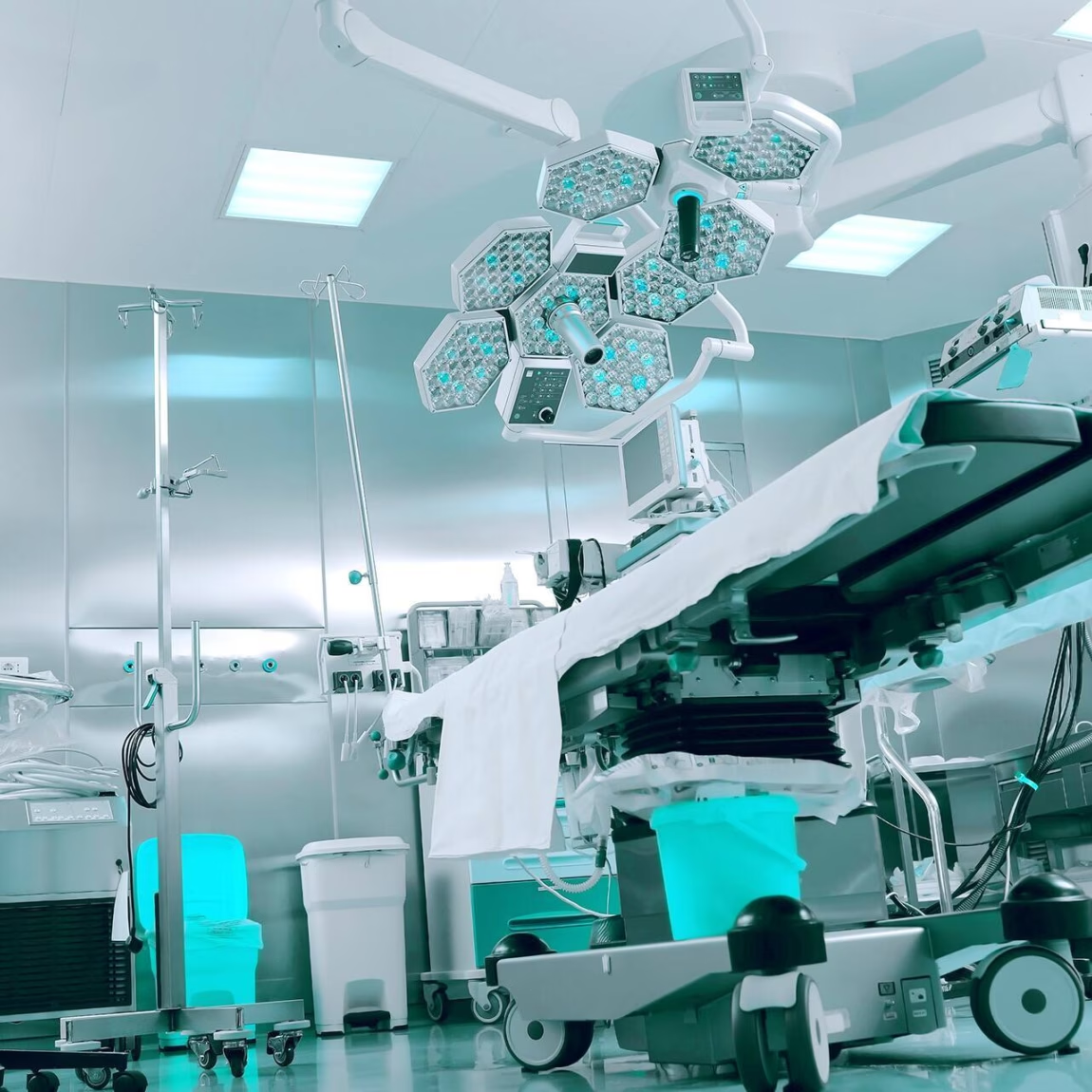
Room Class Ia, Ib, or II—this classification determines the ventilation and air-handling equipment in your operating rooms, influences the risk of infection, and is an integral part of every inspection. The
DIN 1946-4:2018-09 provides the normative framework, while the KRINKO recommendation (2018) and the DGKH guidelines establish the technical framework.
The practical question on many facilities’ minds: Which specific procedure belongs in which room class—and how can this be documented in a transparent manner?
The Surgical Procedure Catalog: Over 250 procedures, clearly categorized
Based on the relevant regulations and many years of practical experience, Normec Hybeta has developed a surgical procedure catalog that closes this gap:
- Over 250 surgical procedures across 10 medical disciplines—from internal medicine to surgery/orthopedics and ophthalmology to interventional radiology
- Clear classification of each procedure into room classes Ia, Ib, or II
- A transparent basis for decision-making regarding facility inspections, audits, and documentation in accordance with KRINKO
- Systematic evaluation taking into account hygiene risk factors such as implant use, surgery duration, instrument exposure, and requirements under transplantation law
The catalog serves as a working tool for the hospital hygienist responsible under KRINKO, who provides ongoing consultation—and at the same time supports operating room management and planners in the design or renovation of operating room departments.
Normative Basis
DIN 1946-4:2018-09 stipulates that room classes must be determined by the hospital hygienist, taking infection statistics into account and with the participation of the surgical representative. In addition, an independent hygiene engineer must be involved.
The following factors play a particularly important role in assigning a room to Class Ia:
- Implantation of foreign material in areas of the body with poor blood supply (e.g., endoprosthetics)
- Organ transplants and tissue harvesting (GMP requirements)
- Large surgical field and long operating times
- Duration of exposure of the exposed instruments
- Occupational safety: carcinogenic surgical smoke
- Increasing demands due to demographic trends and immunosuppressed patients
For procedures that do not fall under these criteria, Room Class Ib is sufficient from a technical standpoint. Procedures with a low risk of infection can be classified as Room Class II.
Who is this catalog intended for?
- Hospital hygiene specialists and hygiene teams who must make and document room class designations based on sound professional criteria
- Surgical management and medical directors who need to align the range of surgical procedures with the ventilation system specifications
- Medical technology staff and planners who, when designing new or renovating operating room departments, determine the correct number and equipment of rooms for each room class
Why Normec Hybeta
- DAkkS-accredited according to DIN EN ISO 17025
- Manufacturer-independent and technically impartial
- Independent hygiene engineer in accordance with DIN 1946-4
- Operating nationwide for hospitals, clinics, and outpatient surgical centers
- Consulting and support from planning through to site inspection
Your partner for quality, safety, and compliance
The life sciences sector requires specialized knowledge and reliable support. With our comprehensive expertise, we help companies comply with laws and regulations, ensure quality, and continue to innovate with confidence.
Related Services






Related Articles
18 Jun 2026
19%—a fee you’ll never have to pay again.
Normec Hybeta’s hygiene services are exempt from sales tax under the applicable legal requirements. Not a discount. Not a special offer. But a structural advantage that extends across your entire facility—from operating rooms to water and air hygiene to hospital hygiene.
01 Apr 2026
Cleanrooms at Medical Device Manufacturers
Commissioning • Monitoring • Requalification
10 Mar 2026
Validation of New Reprocessing Devices – Your Operator Obligations Under the MPBetreibV.
New reprocessing devices (RDG, RDG-E, sterilizers) may only be put into routine operation once their processes have been validated in accordance with the law. The MPBetreibV defines clear requirements for this and specifies who is authorized to perform this validation. An independent, accredited testing laboratory lays the foundation for safe and legally compliant operation from the very first use.

10 Mar 2026
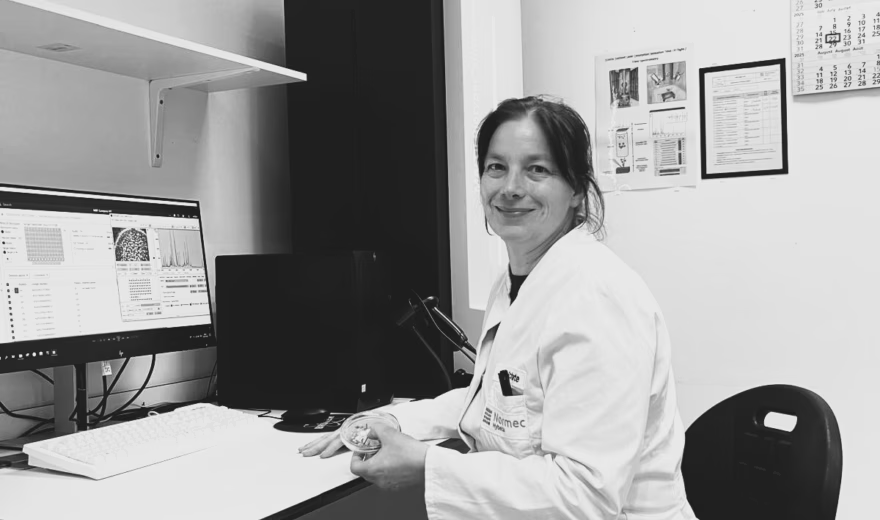
"A great way of interacting with each other—the friendliness and willingness to help one another"
Tatiana Pershukova (37) is a team assistant in the Technical Hygiene and Construction department. In this interview, she talks about her work experience at Normec Hybeta.
10 Dec 2025
Your specialist for microbiological and technical hygiene in the healthcare sector
We are pleased to announce that the identification of microorganisms using the MALDI Biotyper® is now also available through us under an accredited framework (D-PL-17310-01-01) in accordance with DIN EN ISO/IEC 17025:2018!
17 Jun 2025
Normec Hybeta announces:
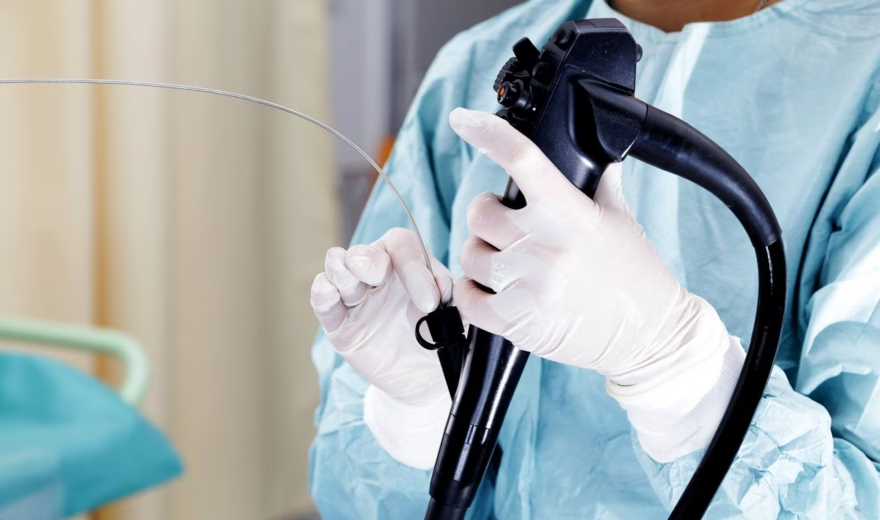
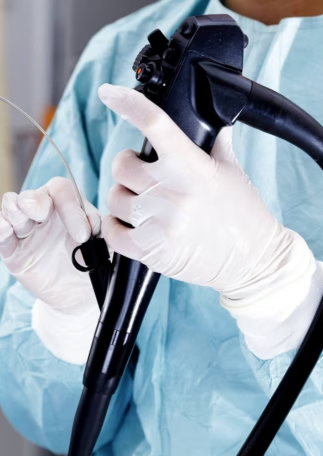
Hygiene Requirements for the Reprocessing of Thermolabile Endoscopes – Flush-Brush-Flush and the “New” Annex 8


14 Mar 2024
February 29, 2024—a day to celebrate volunteerism!
Two weeks ago today was the day—this year, February gave us an extra day. To make good use of the extra time, we at Normec Hybeta decided to join “Social Day 2024.”