Electronic Batch Records (EBR) Systems
Integrated Manufacturing Execution Systems
MES platforms such as Siemens Opcenter or Emerson Syncade offer comprehensive solutions for EBR. These systems automate data collection, reduce human error, and ensure regulatory compliance.
Real-time data collection
By using IoT devices and sensors, data can be collected directly from production equipment. This ensures accurate, real-time data entry into the EBR system
Blockchain Technology
Immutable Data Records
Blockchain technology can improve data integrity by creating immutable records for each batch. This ensures that all changes are transparent and verifiable.
Smart contracts
Smart contracts can be used to automate compliance checks and batch release processes. They ensure that all conditions are met before a batch is approved.
Artificial Intelligence and Machine Learning
Predictive analytics
Using AI, potential issues in the batch process can be predicted and identified based on historical data. This enables proactive adjustments and continuous improvement .
Automated anomaly detection
Machine learning algorithms are a form of AI and can monitor batch data in real time and flag deviations that may indicate deviations from standard procedures or potential quality issues.
Cloud-based solutions
Scalability and accessibility
Cloud platforms such as AWS, Azure, or Google Cloud offer scalable solutions for storing and processing batch records. This ensures that data is accessible from anywhere and reduces the need for on-premises infrastructure.
Enhanced security
By utilizing cloud providers’ security features, such as encryption and multi-factor authentication, sensitive batch data can be protected.
Digital Signatures and Authentication
e-Signature solutions
FDA-compliant electronic signature systems (such as DocuSign or Adobe Sign) can streamline approval processes while ensuring regulatory compliance.
Biometric authentication
Biometric systems can be used for user authentication to enhance security and ensure that only authorized personnel can access and make changes to batch records.
Regulatory Compliance
Automated compliance monitoring
Tools that continuously monitor regulatory changes and automatically update validation protocols ensure ongoing compliance with agencies such as the FDA, EMA, and others.
Audit Trails and Reporting
Comprehensive audit trail capabilities log every interaction with the batch record, enabling detailed reporting for regulatory inspections.
Data Integrity and Validation Frameworks
21 CFR Part 11 Compliance
Ensure that digital systems comply with the FDA’s 21 CFR Part 11 guidelines, which regulate electronic records and electronic signatures.
Automated validation tools
Tools such as ValGenesis or Kneat can be used to automate the validation process for automated systems, reducing the time and effort required for manual validation.
Advanced user interfaces
Intuitive dashboards
Dashboards designed to be user-friendly and provide a clear overview of batch status, critical metrics, and alerts, making monitoring and decision-making easier.
Voice-controlled data entry
Integrate speech recognition technologies to enable hands-free data entry, which improves efficiency and reduces the risk of contamination in sterile environments.
Interoperability and integration
API integrations
Ensure that EBR systems can seamlessly integrate with other business systems such as ERP, LIMS, and SCM to provide a holistic view of the production process.
Standardized data formats
Adopt standardized data formats (such as XML, JSON) to facilitate data exchange between different systems and improve interoperability.
Using digital batch records provides clarity and ensures robust data integrity. Contact us to learn more about how we can help you digitize your batch records.
Your partner in quality, safety, and compliance
The life sciences sector requires specialized knowledge and reliable guidance. Thanks to our extensive expertise, we help organizations comply with laws and regulations, ensure quality, and continue to innovate with confidence.
Related services














Related Articles

15 Jul 2026
How to Become Fully Inspection-Ready According to Annex 1
What happens when inspectors enter your production environment? Do you really have everything in order? Or is there a risk that your processes will fall short at first glance? And how do you make your company inspection-proof? It starts with documentation. Unfortunately, a few neatly filed SOPs aren’t enough. Inspectors want more and are looking for evidence that your processes are robust and continuously monitored.


15 Jul 2026
Innovative Approaches to Paperless Validation
Computerized System Validation (CSV) is the way to ensure the reliability, compliance, and data integrity of automated systems in regulated industries. With the shift toward digital transformation, paperless validation methods are gaining importance. This article explores innovative approaches and technologies that streamline the CSV process while maintaining compliance and data integrity.
15 Jul 2026
Does your organization have complete control over all its processes?
Modern processes are monitored using sensors. These sensors indicate, for example, whether the product is being manufactured under the correct conditions. But can we always blindly trust the results these sensors record?


15 Jul 2026
What is risk assessment?
Risk management—that is, risk analysis and risk control—is important for every company. By conducting a risk analysis, you determine what the risks are, particularly those that threaten your business objectives. These include risks related to product quality and safety (such as (cross)contamination and mix-ups) and employee health and safety, as well as regulatory compliance. Corrective and/or preventive actions can then help reduce these risks and make them manageable. Discover the basic principles of risk management and learn how to identify, analyze, and mitigate potential risks.


15 Jul 2026
Gap Assessment Analysis
A gap analysis allows an organization to evaluate its current state of affairs in comparison to the desired situation or objectives. This method provides valuable insights for effectively achieving projects and business goals. During a gap analysis, for example, the maintenance process is critically examined. Essential questions are answered, such as: What are possible improvements to the process? How can we take asset maintenance to the next level? And how do we ensure safety in the maintenance process?


15 Jul 2026
What is Annex 1?
Pharmaceutical companies within the EU must operate in accordance with European laws and regulations, as described in EudraLex, Vol. 4 – Good Manufacturing Practice (GMP) guidelines. Annex 1, titled “Manufacture of Sterile Medicinal Products,” provides general guidelines to be used in the design and control of facilities, equipment, systems, and procedures used for the manufacture of sterile products.

15 Jul 2026
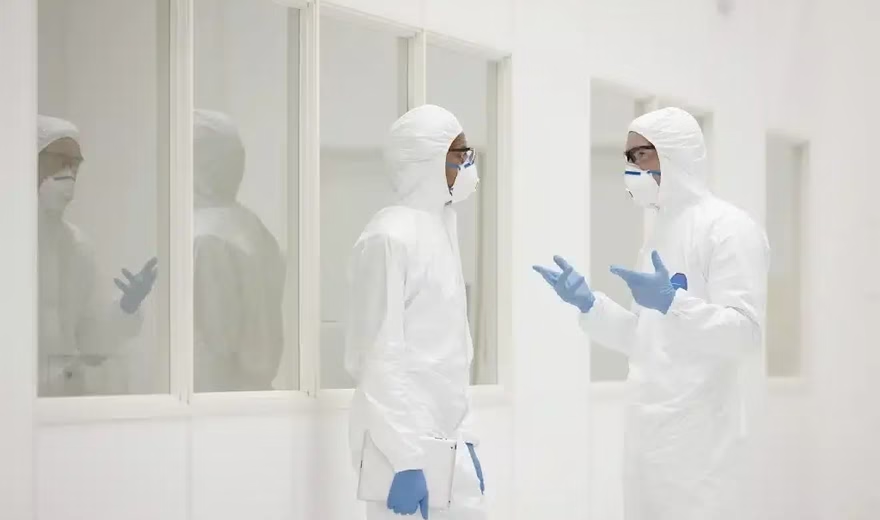
What if you took a completely different approach to Gowning?
When you think of gowning, you probably think of putting on protective clothing. The way employees dress in cleanrooms is key to preventing product contamination and ensures compliance with even the strictest standards related to Annex 1. A single small particle in the wrong place can make the difference between a perfect product and a lost batch.