The most common methods for risk assessment:
- Failure Mode and Effects Analysis (FMEA): This is a systematic method for identifying potential failures and evaluating their impact on performance. It focuses on identifying the causes of the failure, its consequences, and possible solutions.
- Fault Tree Analysis (FTA): This method is used to determine the causes of specific events and to calculate the probability of a particular event occurring. It involves creating a tree structure of possible events that could lead to a specific failure or malfunction.
- Hazard and Operability Study (HAZOP): This is a structured and systematic method for identifying potential hazards in a process and evaluating the process’s operability.
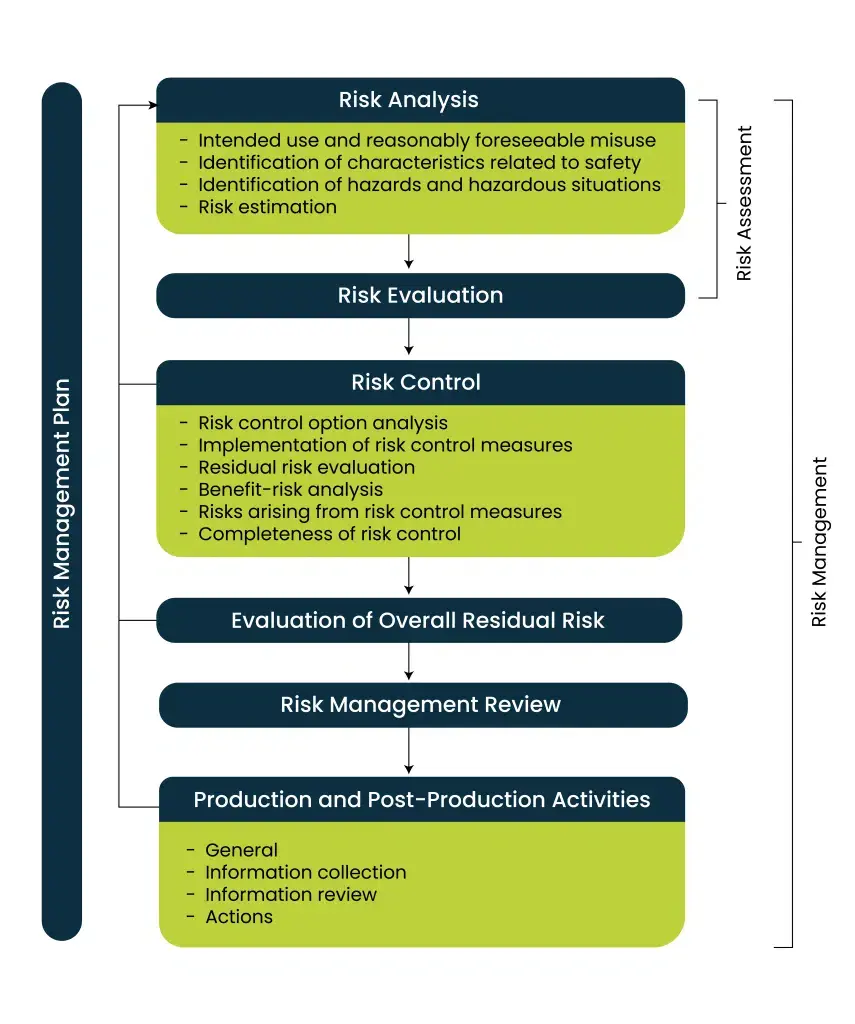
Figure: Risk Management Process
Various Risk Assessment Methods
The ISO 31000 guidelines provide a standardized approach to risk management, including identifying risks, evaluating their severity, implementing risk control measures, and monitoring and reviewing the risk management process.
In addition to the most commonly used methods mentioned above, there is a range of other options. Each method has its own advantages and disadvantages, and the choice of method will depend on the nature and scope of the activities or operations being evaluated. It is important to choose the method that best suits the specific needs of the company or organization. The right method can be fully tailored to the company’s needs.
Follow-up in the form of interim evaluations and reassessments of a Risk Control Plan in response to changes ensures long-term process optimization.
How can we apply risk assessment?
- Risk analysis for new activities, processes, and installations;
- Risk analysis of the current situation. Development;
- facilities, equipment, and tools; warehouse; production; packaging and labeling; laboratory, including stability testing;
- Incident analysis;
- Clarifying the Risk Management System as part of the Quality Management System;
- conducting audits and inspections;
- purchasing and suppliers;
- a tool for cultural change.
Your partner in quality, safety, and compliance
The life sciences sector requires specialized knowledge and reliable guidance. Thanks to our extensive expertise, we help organizations comply with laws and regulations, ensure quality, and continue to innovate with confidence.

Business Development Manager
Katja Ludwig
“What does the customer want? What motivates the customer? And how can we best support the customer? As far as I’m concerned, these are key elements of a partnership, and I’m 100% committed to them.”
Working Together Toward Tangible Results
Our Areas of Expertise
We help clients innovate by proposing new ideas and improving processes, equipment, environments, and services. Our consultants possess a wealth of knowledge. Together, we have the right answer to every question, no matter how complex.
Innovating Together
During the Yxion Academy and Professional Groups, colleagues come together to exchange knowledge and experiences and discuss current developments. They work together to address client questions and identify training programs that align with their own needs and those of their clients. In short: to learn from and with one another.
Our Strength
In addition to hard work, we also have fun, of course. We love organizing outings for the entire organization. Activities such as: cycling tours, the Winter Efteling, European Championship pool tournaments, dinners, and barbecues. Moments to relax and catch up with colleagues!
Related services













Related Articles


15 Jul 2026
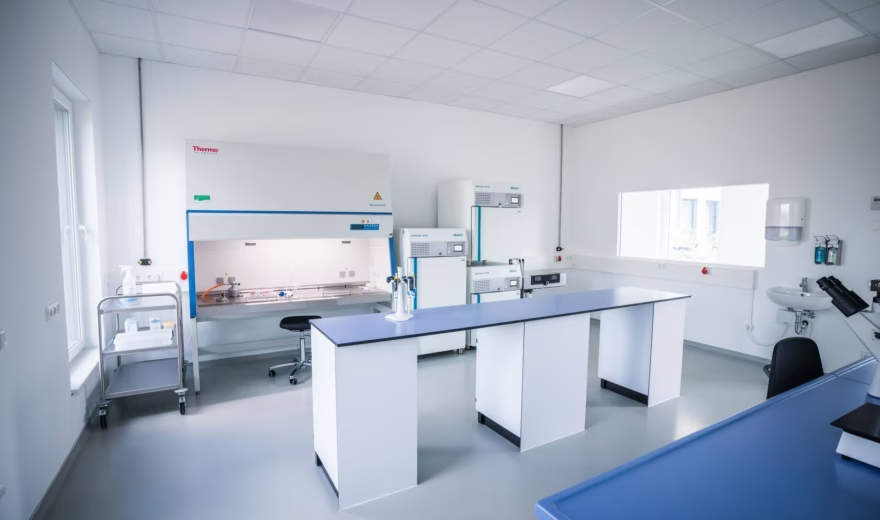
How to Become Fully Inspection-Ready According to Annex 1
What happens when inspectors enter your production environment? Do you really have everything in order? Or is there a risk that your processes will fall short at first glance? And how do you make your company inspection-proof? It starts with documentation. Unfortunately, a few neatly filed SOPs aren’t enough. Inspectors want more and are looking for evidence that your processes are robust and continuously monitored.


15 Jul 2026
Innovative Approaches to Paperless Validation
Computerized System Validation (CSV) is the way to ensure the reliability, compliance, and data integrity of automated systems in regulated industries. With the shift toward digital transformation, paperless validation methods are gaining importance. This article explores innovative approaches and technologies that streamline the CSV process while maintaining compliance and data integrity.
15 Jul 2026
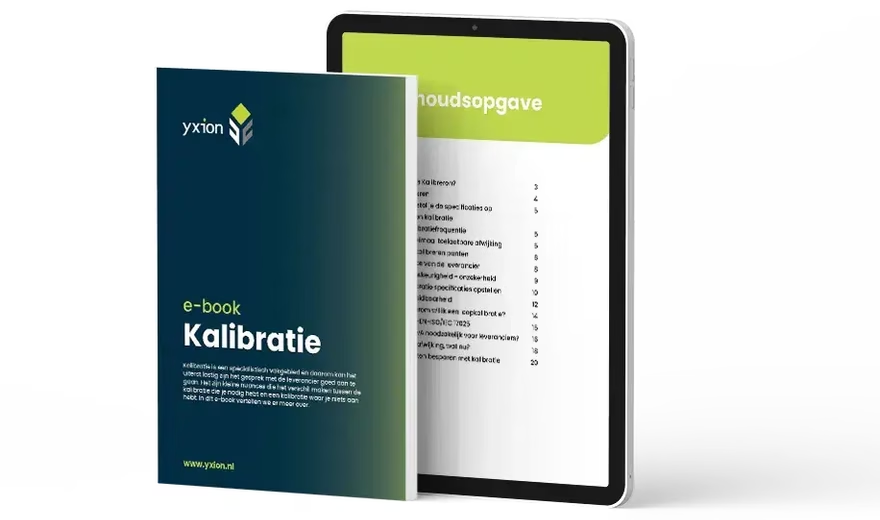
Does your organization have complete control over all its processes?
Modern processes are monitored using sensors. These sensors indicate, for example, whether the product is being manufactured under the correct conditions. But can we always blindly trust the results these sensors record?


15 Jul 2026
Gap Assessment Analysis
A gap analysis allows an organization to evaluate its current state of affairs in comparison to the desired situation or objectives. This method provides valuable insights for effectively achieving projects and business goals. During a gap analysis, for example, the maintenance process is critically examined. Essential questions are answered, such as: What are possible improvements to the process? How can we take asset maintenance to the next level? And how do we ensure safety in the maintenance process?

15 Jul 2026
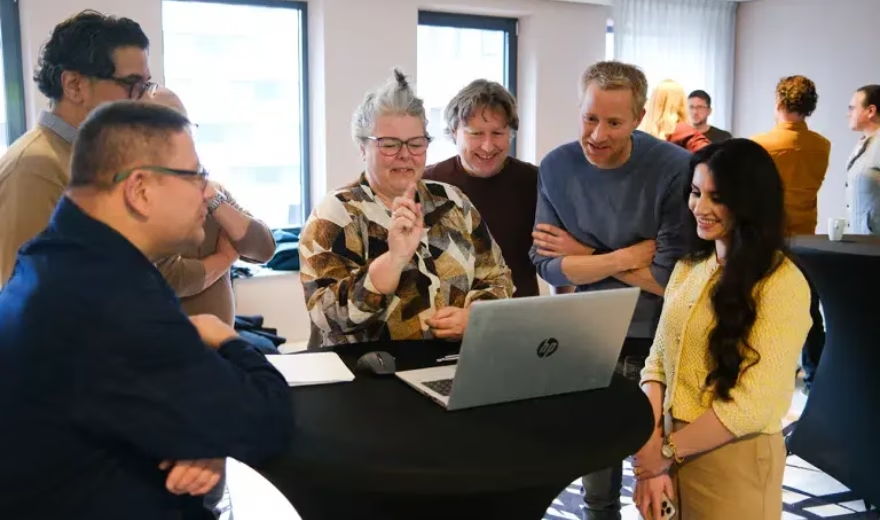
What is the essence of an effective supply chain?
In the rapidly changing world of business operations, maintaining high-quality products during distribution is crucial. Our consultants have extensive knowledge of Good Distribution Practice (GDP) and its impact on efficient business operations. GDP goes beyond mere compliance with regulations. From temperature control to smart storage and seamless transportation, it is the essence of an effective supply chain.
15 Jul 2026
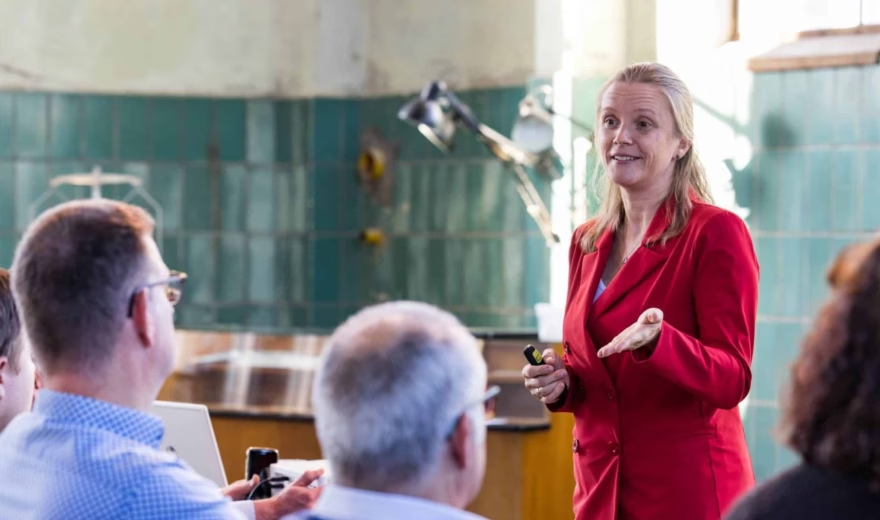
What is Annex 1?
Pharmaceutical companies within the EU must operate in accordance with European laws and regulations, as described in EudraLex, Vol. 4 – Good Manufacturing Practice (GMP) guidelines. Annex 1, titled “Manufacture of Sterile Medicinal Products,” provides general guidelines to be used in the design and control of facilities, equipment, systems, and procedures used for the manufacture of sterile products.
15 Jul 2026
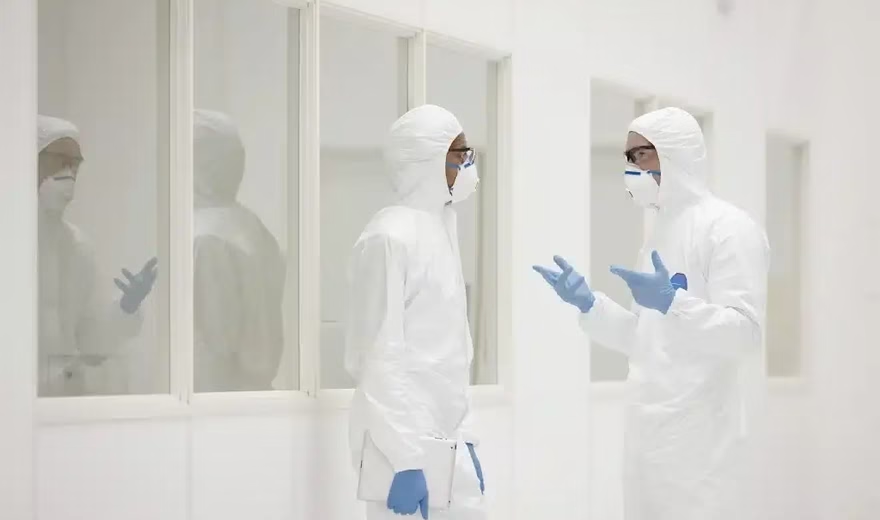
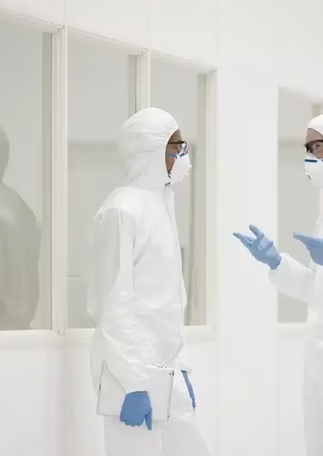
What if you took a completely different approach to Gowning?
When you think of gowning, you probably think of putting on protective clothing. The way employees dress in cleanrooms is key to preventing product contamination and ensures compliance with even the strictest standards related to Annex 1. A single small particle in the wrong place can make the difference between a perfect product and a lost batch.