The Purpose
Every organization has its own priorities and requirements. The MAP analysis can be flexibly adapted to meet the unique needs of each client. Prior to the start of a MAP, the client compiles a list of topics to define the assessment criteria. These topics enable both parties to prepare for the most effective execution of the MAP. The goal is to identify areas requiring improvement, leverage various asset management opportunities, and contribute to achieving maintenance excellence.
Typical areas for improvement, following the gap assessment, include:
- Incorrect application of the maintenance strategy and a lack of documented maintenance strategies;
- Incomplete, inconsistent, and incorrect data in the Computerized Maintenance Management System (CMMS) or Master Equipment List (MEL);
- Bill of Materials (BOM) not completed, or completed only partially or inconsistently;
- The Equipment Hierarchy is not structured in a way that promotes efficiency in data analysis, maintenance planning, fault logging, etc.;
- Maintenance tasks;
- Maintenance frequencies.
A few weeks after the meeting with the client, a roadmap is drawn up jointly. This includes milestones, a timeline, and a target date for implementing the plan.
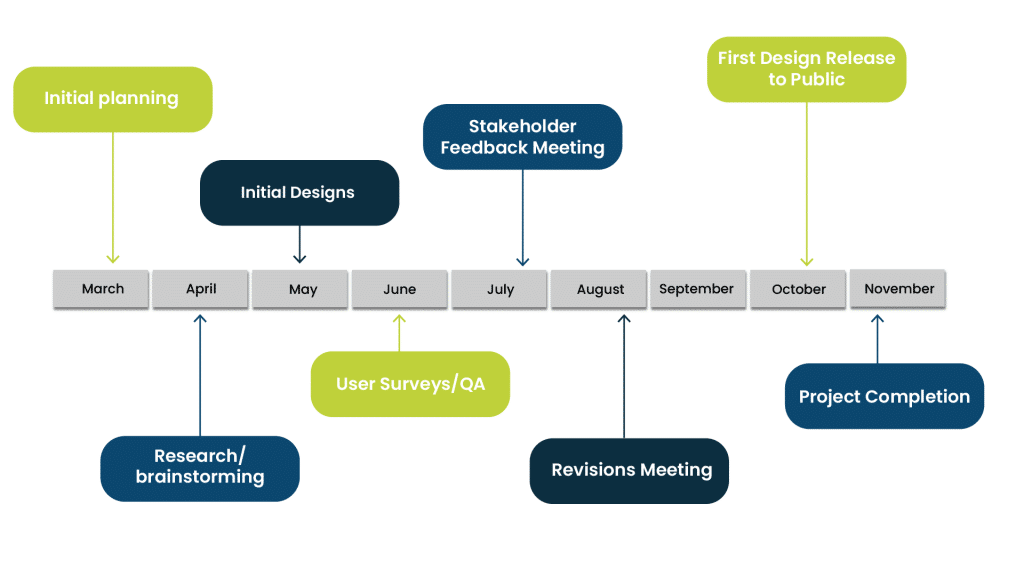
This roadmap consists of two phases
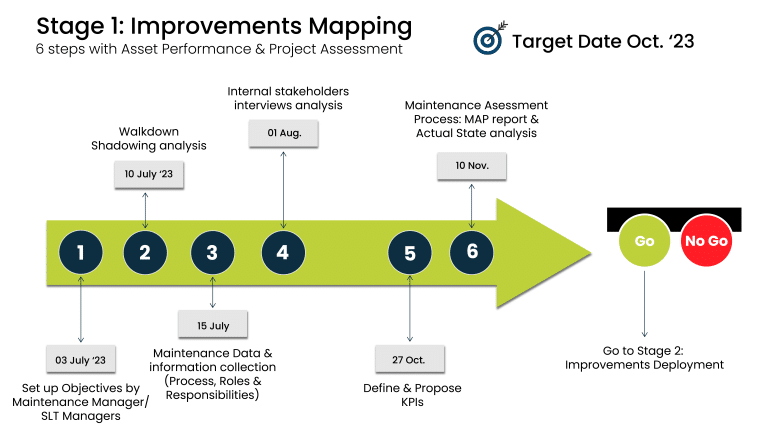
Phase 1: Identifying areas for improvement.
An on-site MAP can be conducted through site tours, interviews, and the review of maintenance programs, and may also include calibration and validation data. A three-part approach is used:
- Interviews are conducted with key stakeholders, starting with managers, operational supervisors, coordinators, maintenance technicians, and other relevant employees, including calibration and validation engineers. These interviews are carefully structured and aligned with assessment topics and criteria. During these interviews, the interviewer may request additional documentation, such as SOPs, examples of programs, or processes.
- The performance of maintenance is observed through planning, setup, crew meetings, and the actual execution of preventive/predictive maintenance tasks. If available, predefined KPIs are also closely monitored.
- Observations of critical equipment are recorded and may include the actual condition of the workshops and/or material storage areas. Available data and technical information, collected during the shadowing and mapping period, will be reviewed and evaluated for process compliance and completeness. The findings are recorded and analyzed to define the “as-found status.”
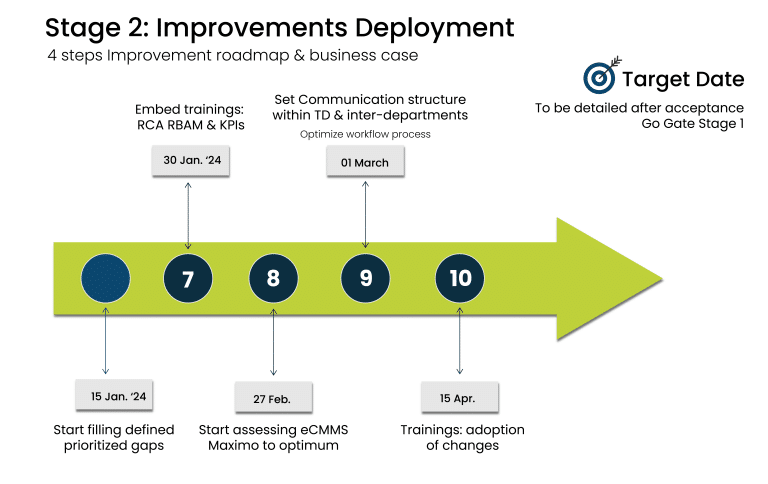
Phase 2: “Improvements Deployment” should be viewed as the future state. In the “Improvements Deployment” phase, the focus is on implementing best-practice tools to address the identified gaps.
The following can be optimized or implemented:
- Roles and responsibilities, such as: effective communication, process ownership, and RCAs (Root Cause Analysis);
- Data systems, such as: e-CMMS Maximo;
- Processes, such as: workflow optimization, up-to-date PMs;
- New ways of working, such as the TPM method, change management, and/or ECM (Engineering Change Management).
Conclusion
Gap analysis is one of the most effective ways to identify growth opportunities and address compliance issues. Companies can reassess their goals to determine whether they are on the right track to achieving them.
It provides your company with a strategy based on data, standards, and industry best practices.
Your partner in quality, safety, and compliance
The life sciences sector requires specialized knowledge and reliable guidance. Thanks to our extensive expertise, we help organizations comply with laws and regulations, ensure quality, and continue to innovate with confidence.
Related services













Related Articles


15 Jul 2026
How to Become Fully Inspection-Ready According to Annex 1
What happens when inspectors enter your production environment? Do you really have everything in order? Or is there a risk that your processes will fall short at first glance? And how do you make your company inspection-proof? It starts with documentation. Unfortunately, a few neatly filed SOPs aren’t enough. Inspectors want more and are looking for evidence that your processes are robust and continuously monitored.


15 Jul 2026
Innovative Approaches to Paperless Validation
Computerized System Validation (CSV) is the way to ensure the reliability, compliance, and data integrity of automated systems in regulated industries. With the shift toward digital transformation, paperless validation methods are gaining importance. This article explores innovative approaches and technologies that streamline the CSV process while maintaining compliance and data integrity.
15 Jul 2026
Does your organization have complete control over all its processes?
Modern processes are monitored using sensors. These sensors indicate, for example, whether the product is being manufactured under the correct conditions. But can we always blindly trust the results these sensors record?


15 Jul 2026
What is risk assessment?
Risk management—that is, risk analysis and risk control—is important for every company. By conducting a risk analysis, you determine what the risks are, particularly those that threaten your business objectives. These include risks related to product quality and safety (such as (cross)contamination and mix-ups) and employee health and safety, as well as regulatory compliance. Corrective and/or preventive actions can then help reduce these risks and make them manageable. Discover the basic principles of risk management and learn how to identify, analyze, and mitigate potential risks.


15 Jul 2026
Gap Assessment Analysis
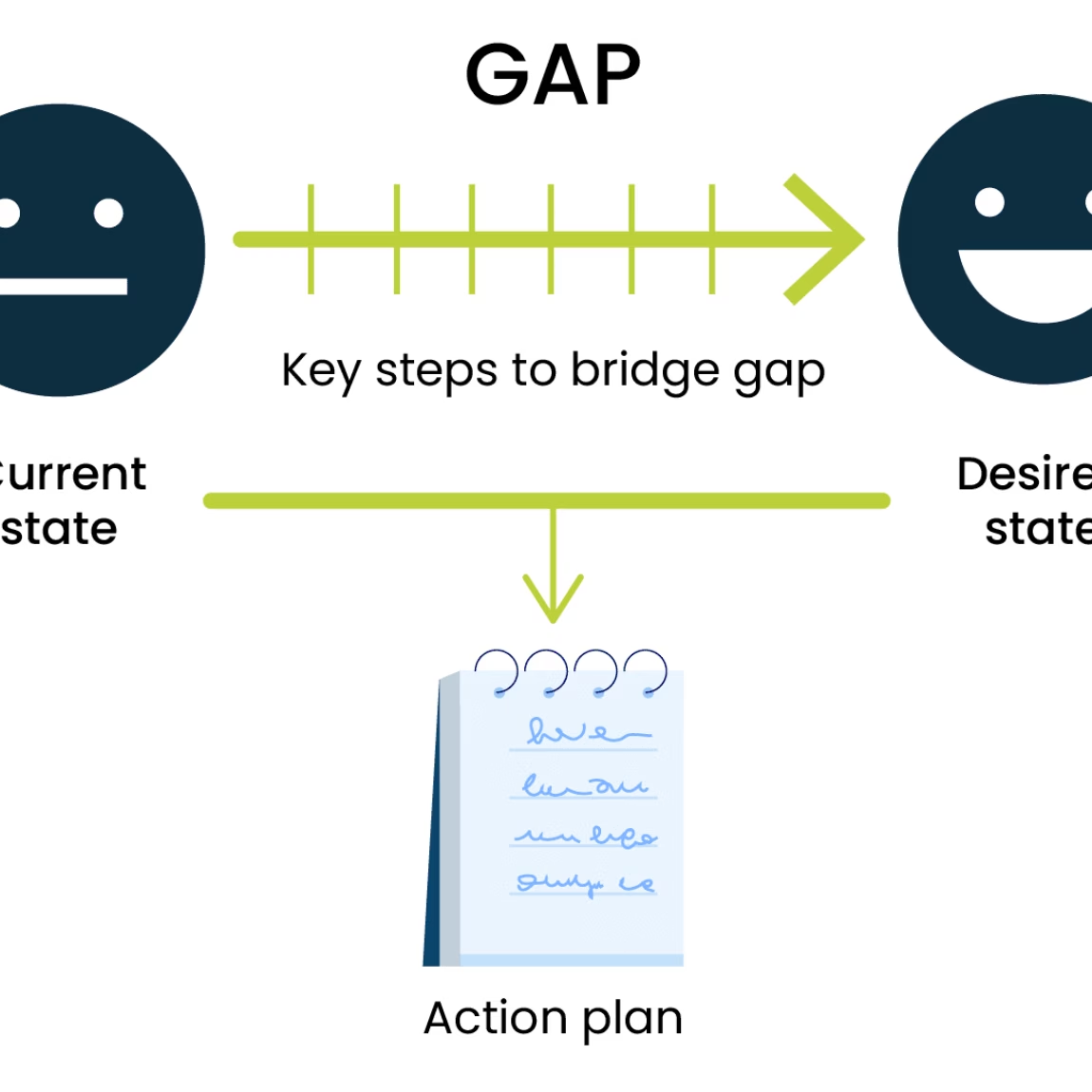
A gap analysis allows an organization to evaluate its current state of affairs in comparison to the desired situation or objectives. This method provides valuable insights for effectively achieving projects and business goals. During a gap analysis, for example, the maintenance process is critically examined. Essential questions are answered, such as: What are possible improvements to the process? How can we take asset maintenance to the next level? And how do we ensure safety in the maintenance process?


15 Jul 2026
What is Annex 1?
Pharmaceutical companies within the EU must operate in accordance with European laws and regulations, as described in EudraLex, Vol. 4 – Good Manufacturing Practice (GMP) guidelines. Annex 1, titled “Manufacture of Sterile Medicinal Products,” provides general guidelines to be used in the design and control of facilities, equipment, systems, and procedures used for the manufacture of sterile products.
15 Jul 2026
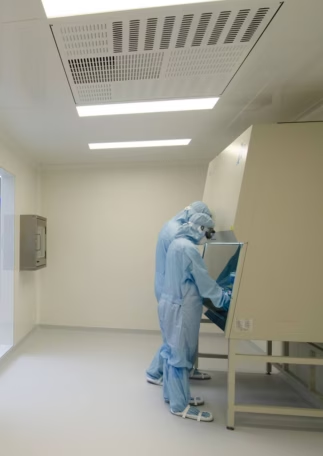
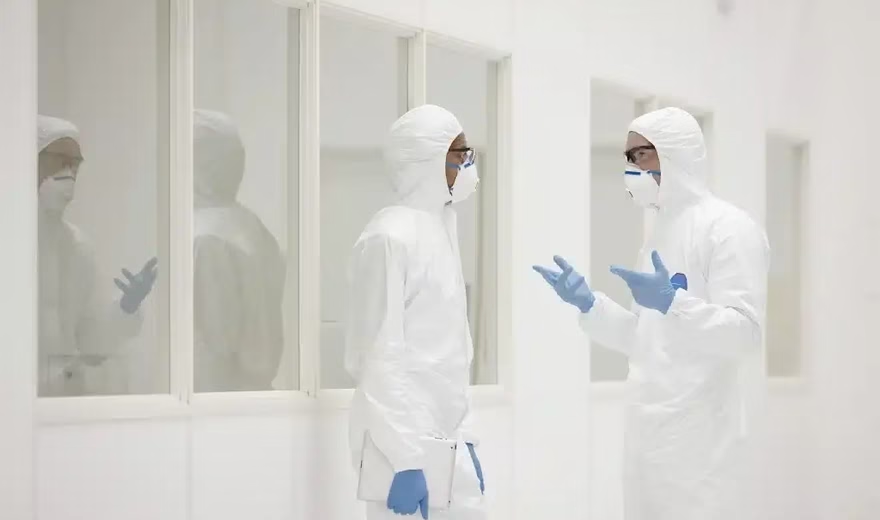
What if you took a completely different approach to Gowning?
When you think of gowning, you probably think of putting on protective clothing. The way employees dress in cleanrooms is key to preventing product contamination and ensures compliance with even the strictest standards related to Annex 1. A single small particle in the wrong place can make the difference between a perfect product and a lost batch.